
What defines a niche fragrance: 2026 guide for enthusiasts

Think ‘niche fragrance’ just means expensive or exclusive? The reality is far more nuanced. Originally, niche perfumes emerged from artisanal independence, creative freedom, and limited production. Today’s market saturation challenges that identity. This guide clarifies true defining traits, from storytelling and rare ingredients to sustainability trends, helping you identify authentic niche fragrances and make confident purchasing decisions.
Table of Contents
- The Origins And Artistic Essence Of Niche Fragrances
- Core Characteristics That Define A Niche Fragrance Today
- The Evolving Niche Fragrance Market: Challenges And Changing Definitions
- How To Choose And Appreciate Niche Fragrances As A Collector Or Enthusiast
- Discover Authentic Niche Fragrances At Be Frsh
- Frequently Asked Questions
Key takeaways
| Point | Details |
|---|---|
| Artistic freedom defines niche perfumery | Perfumers create unconventional scent profiles with rare ingredients, prioritizing craft over commercial appeal. |
| Limited production drives exclusivity | Small batch releases and selective boutique distribution distinguish niche from mass-market fragrances. |
| Market oversaturation blurs boundaries | Corporate acquisitions and marketing dilution challenge the original meaning of ‘niche’ in 2026. |
| Storytelling and unique ingredients matter | Authentic niche brands emphasize founder narratives and ingredient transparency to stand out. |
| Sustainability shapes future niche fragrances | Ethical sourcing and innovation increasingly differentiate genuine artisanal houses from marketing labels. |
The origins and artistic essence of niche fragrances
Understanding niche perfumery starts with its roots. The niche perfume movement has roots in the late 20th century, focusing on craft and storytelling. Independent perfumers rejected mass-market constraints to pursue artistic vision. They prioritized scent complexity over broad appeal, creating fragrances that challenged conventional commercial formulas.
These early niche houses operated differently from designer brands. Small production runs ensured quality control and exclusivity. Selective distribution through specialized boutiques reinforced their artisanal identity. Founders often worked directly with perfumers, maintaining creative integrity throughout the process.
Key founding principles included:
- Complete artistic freedom for perfumers to experiment with unconventional note combinations
- Limited batch production maintaining quality and scarcity
- Direct relationships between brand founders and fragrance creators
- Focus on storytelling that connected scent to personal or cultural narratives
- Rejection of focus group testing and mass-market formulation strategies
“Niche perfumery was born from a desire to create fragrances as art rather than products, prioritizing expression over profitability.”
This foundation established niche as a counter movement to commercial fragrance. The role of niche perfumes in modern scent discovery traces back to these artisanal origins. Understanding this heritage helps you recognize authentic niche brands today.
Pro Tip: Research a brand’s founding story and perfumer relationships. Genuine niche houses emphasize creator passion and artistic motivation over market trends.
Core characteristics that define a niche fragrance today
Distinguishing niche from designer fragrances requires understanding specific traits. Niche fragrances prioritize artisanal craftsmanship and creative freedom with unique scent combos. These characteristics shape everything from ingredient selection to distribution strategy.
Artisanal craft drives unconventional scent profiles. Perfumers use rare or unusual raw materials, creating compositions that challenge mainstream preferences. You’ll encounter bold accords and surprising note pairings that designer brands avoid. This creative liberty produces distinctive olfactory signatures.
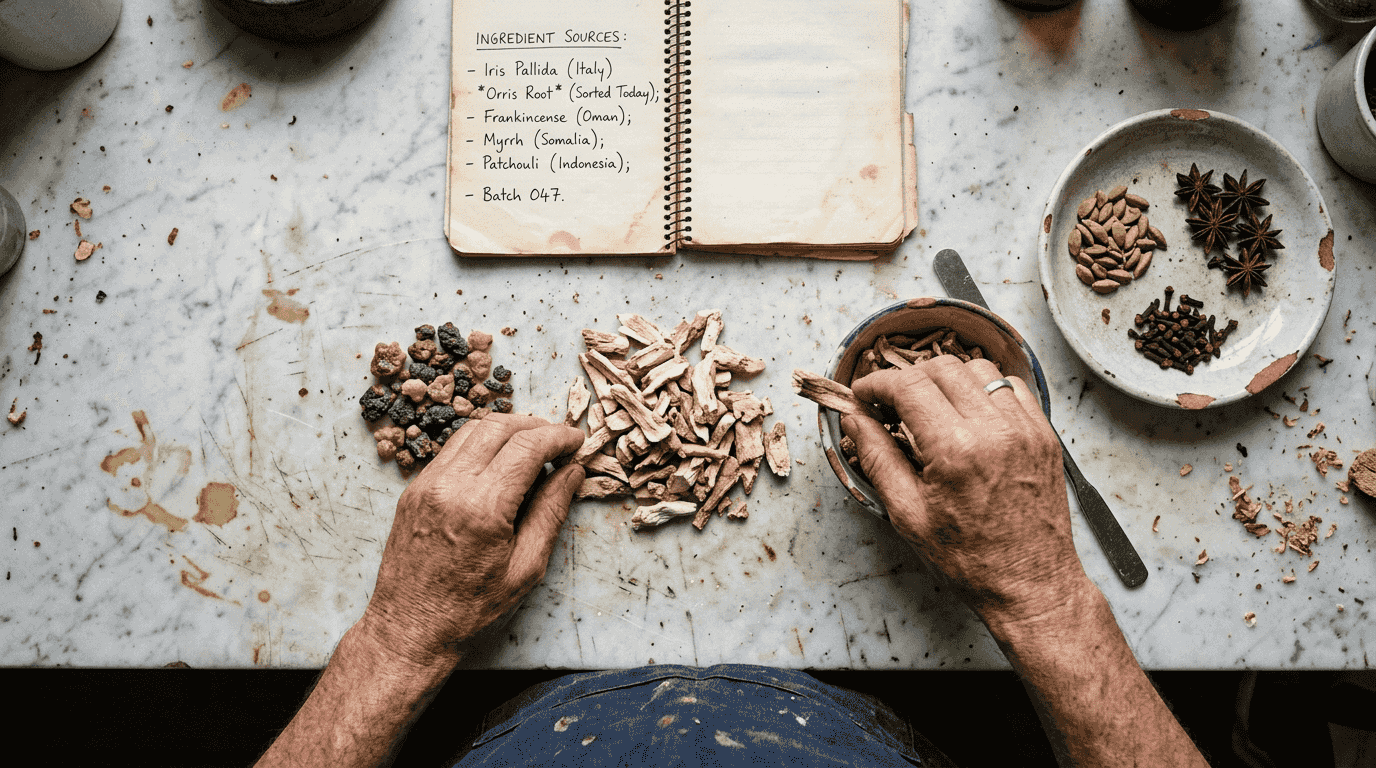
Limited production enhances exclusivity but involves trade-offs. Small batch manufacturing maintains quality control while creating scarcity. However, higher per-unit costs translate to premium pricing. Distribution remains selective, favoring specialized boutiques and direct-to-consumer channels over department stores.
Key differentiators include:
- Ingredient sourcing emphasizing rare, high-quality, or sustainably harvested raw materials
- Perfumer autonomy to create without commercial constraints or focus group approval
- Transparent storytelling connecting scent to artistic vision or cultural heritage
- Higher concentration levels often using extrait or pure parfum formulations
- Minimal or artistic packaging reflecting brand values over mass appeal
| Characteristic | Niche Fragrances | Designer Fragrances |
|---|---|---|
| Production Scale | Small, limited batches | Large, mass-market volumes |
| Creative Process | Perfumer-driven artistic freedom | Committee-approved commercial formulas |
| Distribution | Selective boutiques, direct sales | Wide retail, department stores |
| Ingredient Focus | Rare, unconventional, high-quality | Cost-effective, broadly appealing |
| Marketing Approach | Storytelling, heritage, craft | Celebrity endorsements, broad campaigns |
| Price Point | Premium ($150-$500+) | Moderate ($50-$150) |
Explore unique niche fragrance examples showcasing these traits in practice. Each characteristic contributes to the overall niche identity.
Pro Tip: Verify ingredient transparency and perfumer attribution. Authentic niche brands openly discuss raw material sourcing and credit specific creators.
The evolving niche fragrance market: challenges and changing definitions
The niche fragrance landscape has transformed dramatically by 2026. ‘Niche’ is increasingly used as a marketing term, losing its original meaning of independence and craft. Market expansion brought corporate acquisitions, blurring lines between artisanal and commercial.
Oversaturation creates significant challenges. Oversaturation has caused boutique strain, marketing dilution, and fragrance homogenization. When large conglomerates acquire independent houses, maintaining artistic integrity becomes difficult. Production scales up, distribution broadens, and creative autonomy often diminishes.
The term ‘niche’ now functions more as positioning than description. Brands leverage storytelling and premium pricing while operating at scales inconsistent with original artisanal definitions. This shift complicates how you identify genuine niche fragrances versus marketed ones.
Current market realities include:
- Corporate ownership of formerly independent niche houses altering creative processes
- Proliferation of ‘niche-inspired’ brands mimicking aesthetic without artisanal substance
- Price inflation driven by positioning rather than ingredient cost or scarcity
- Distribution expansion into mainstream channels contradicting exclusivity claims
- Marketing emphasis on lifestyle and image over perfumer craft and ingredient quality
| Original Niche Definition | Modern Market Usage |
|---|---|
| Independent ownership maintaining creative control | Often corporate-owned subsidiaries with ‘artisanal’ branding |
| Limited production ensuring scarcity and quality | Variable scale sometimes matching designer volumes |
| Perfumer-driven artistic vision | Marketing-driven storytelling with perfumer collaboration |
| Selective boutique distribution | Expanding into department stores and mass online retail |
| Transparent craft focus | Lifestyle positioning and aspirational marketing |
“The niche fragrance sector faces an identity crisis as growth and commercialization challenge founding principles of independence and artistry.”
Navigating this complexity requires critical evaluation. Understanding perfume discovery challenges helps you avoid marketing traps and find authenticity.
Pro Tip: Investigate ownership structures and production practices. True niche brands remain transparent about their business model and creative process.
How to choose and appreciate niche fragrances as a collector or enthusiast
Selecting authentic niche fragrances demands informed strategy. Market complexity in 2026 requires you to look beyond marketing claims. Sustainability and innovation are key factors shaping future niche fragrances, offering reliable authenticity markers.
Research and sampling form your foundation. Understanding a brand’s history, perfumer relationships, and ingredient sourcing reveals genuine artisanal commitment. Testing samples before purchasing full bottles reduces buyer’s remorse and helps you identify scents matching your preferences.
Prioritize brands demonstrating authentic niche characteristics. Look for limited edition releases, transparent storytelling, and direct perfumer involvement. Sustainability practices and ethical sourcing increasingly distinguish genuine artisanal houses from marketing-driven brands.
Follow these steps to assess niche fragrances before buying:
- Research brand history and ownership structure to verify independence or transparent corporate relationships
- Identify the perfumer and review their creative portfolio and reputation for innovation
- Examine ingredient lists for rare, high-quality, or sustainably sourced raw materials
- Read founder interviews or brand narratives to understand artistic motivation
- Sample the fragrance on your skin across several hours to assess development and longevity
- Compare pricing against ingredient quality and production scale rather than marketing claims
- Verify distribution channels align with claimed exclusivity and artisanal positioning
- Check community reviews from experienced collectors for authenticity validation
Balancing rarity with personal enjoyment prevents collection mistakes. A fragrance’s exclusivity means nothing if you dislike wearing it. Focus on scents that resonate with your taste while meeting authenticity criteria.
The role of niche perfumes extends beyond ownership to personal expression. Your collection should reflect your unique preferences and values, whether that means supporting sustainable practices, seeking unusual note combinations, or connecting with specific brand stories.
Pro Tip: Join fragrance communities and attend niche perfume events. Direct conversations with brand founders and perfumers provide insights no marketing materials can offer.
Discover authentic niche fragrances at Be Frsh
Applying this knowledge becomes easier with expert curation. Be Frsh specializes in carefully selected niche fragrances that meet genuine artisanal standards. You gain access to authentic scents without navigating market complexity alone.
Explore exclusive fragrances like Parfums de Marly Castley and Creed Millésime Impérial, both exemplifying niche craftsmanship. These offerings showcase the artistry and quality this guide describes.
Be Frsh delivers several advantages for discerning collectors:
- Expert curation ensuring authentic niche fragrances meeting artisanal standards
- Sample sizes letting you test before committing to full bottles
- Transparent product information including perfumer details and ingredient highlights
- Convenient online access to exclusive brands with reliable shipping
Visit the Be Frsh fragrance collection to discover scents reflecting true niche values. Your informed perspective now guides confident purchasing decisions.
Frequently asked questions
What’s the main difference between niche and designer fragrances?
Niche fragrances emphasize artisanal craft, creative freedom, and limited production, while designer fragrances prioritize broad commercial appeal and mass-market distribution. Niche perfumers enjoy autonomy to create unconventional scent profiles using rare ingredients. Designer brands follow committee-approved formulas designed for widespread acceptance and profitability.
Why do niche fragrances have unique scent profiles?
Perfumers creating niche fragrances work without commercial constraints or focus group testing. This freedom allows experimentation with unusual note combinations and rare raw materials that mainstream brands avoid. The result is distinctive olfactory signatures that challenge conventional preferences rather than conforming to them.
How does exclusivity affect niche fragrance pricing and availability?
Limited production runs and selective distribution drive both higher prices and restricted availability. Small batch manufacturing maintains quality but increases per-unit costs. Distribution through specialized boutiques rather than mass retail reinforces exclusivity while limiting where you can purchase. This scarcity contributes to premium pricing ranging from $150 to $500 or more.
Are niche fragrances always better quality than designer perfumes?
Not necessarily. While niche fragrances often use higher-quality or rarer ingredients, quality varies across both categories. Some designer fragrances feature excellent craftsmanship and materials. The niche designation reflects production approach and creative process more than guaranteed superiority. Evaluate each fragrance individually based on ingredients, longevity, and personal preference rather than category assumptions.
Why is storytelling important in niche perfumes?
Storytelling connects fragrance to artistic vision, cultural heritage, or personal narratives that distinguish authentic niche brands. These narratives provide context for unconventional scent choices and justify premium positioning. However, in 2026’s saturated market, storytelling also functions as marketing strategy. Verify that compelling narratives align with genuine artisanal practices like transparent ingredient sourcing and perfumer attribution.
How can I identify truly authentic niche fragrances in 2026?
Research brand ownership, perfumer involvement, and ingredient transparency. Authentic niche houses maintain independence or transparently acknowledge corporate relationships while preserving creative autonomy. Look for limited editions, direct perfumer attribution, sustainable sourcing practices, and selective distribution. Community reviews from experienced collectors provide additional validation beyond marketing claims.