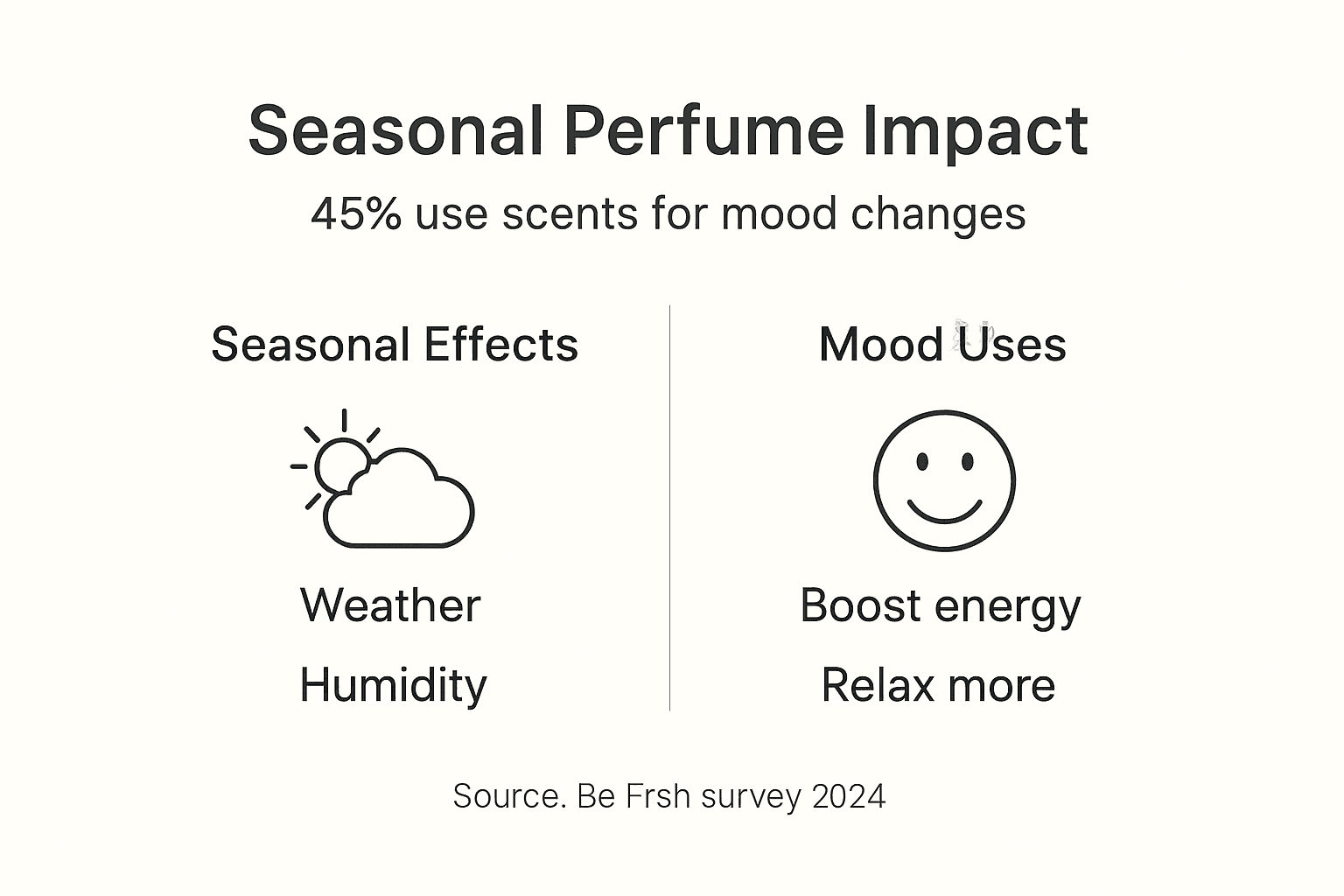
Why Seasonal Perfumes Matter: 45% Use Scents for Mood

Perfume molecules behave dramatically differently across seasons due to temperature and humidity variations, fundamentally altering how scents project and last on your skin. For fragrance enthusiasts in Finland, understanding seasonal perfume dynamics means optimizing every wear experience throughout the year’s dramatic climate shifts. This guide explores the science, psychology, and practical strategies behind seasonal scent selection, including how sampling helps you discover perfect matches for each season’s unique conditions.
Table of Contents
- Introduction To Seasonal Perfumes
- The Science Behind Seasonal Perfumes
- Psychological And Emotional Alignment
- Common Misconceptions About Seasonal Perfume Use
- Building A Versatile Seasonal Fragrance Wardrobe
- Emerging Trends In Seasonal Perfumes
- The Value Of Sampling Seasonal Perfumes
- Conclusion: Optimizing Your Seasonal Perfume Experience
- Explore Seasonal Perfume Sampling With Be Frsh
- Frequently Asked Questions About Seasonal Perfumes
Key Takeaways
| Point | Details |
|---|---|
| Seasonal adaptation enhances performance | Temperature and humidity alter how perfume molecules evaporate and project on skin. |
| Mood alignment matters | Fragrance preferences shift with seasonal emotions, with florals for spring renewal and spices for autumn warmth. |
| Sampling reduces regret | Testing scents in actual seasonal conditions reveals true performance before full bottle investment. |
| One signature scent limits potential | Nearly 45% of consumers rotate fragrances seasonally for better self-expression and satisfaction. |
| Build versatile wardrobe | Combine core all-season scents with seasonal statement perfumes for year-round confidence. |
Introduction to Seasonal Perfumes
Fragrance performance varies significantly with changing weather patterns, making seasonal selection essential rather than optional for enthusiasts. Finnish climate presents particularly dramatic seasonal contrasts, from harsh winter cold to bright summer warmth, each demanding different scent strategies. Adapting your fragrance choices to match these conditions maximizes longevity, projection, and overall wearing satisfaction throughout the year.
Seasonal perfumes fall into recognizable categories aligned with nature’s rhythms and cultural associations:
- Spring brings fresh florals like lily, jasmine, and rose that mirror nature’s renewal
- Summer demands bright citrus, aquatic, and green notes for energizing freshness
- Autumn introduces warm spices, amber, and gourmand accords evoking comfort
- Winter calls for rich woods, resins, and heavy orientals providing depth
Understanding these fundamental categories helps you navigate vast fragrance options with clarity. Finnish winters, lasting nearly half the year, particularly benefit from strategic scent selection that works with rather than against cold temperatures. Spring and summer, though shorter, offer precious opportunities to explore lighter compositions that shine in warmer conditions.
Building awareness of seasonal perfume logic transforms how you approach your collection. Instead of random purchases, you develop intentional wardrobes matching climate reality and emotional needs. This foundation prepares you for deeper exploration of the scientific principles driving seasonal scent behavior.
The Science Behind Seasonal Perfumes
Perfume chemistry responds predictably to environmental conditions, creating measurable differences in how scents perform across seasons. Temperature impacts evaporation rates of perfume molecules; humidity affects scent development and longevity on skin; heavier scents perform better in cold, lighter in heat. Understanding these physical principles clarifies why your favorite summer scent might disappoint in December.
Key scientific factors influencing seasonal fragrance performance include:
- Heat accelerates molecular evaporation, causing top notes to burn off rapidly and projection to spike initially then fade
- Cold weather slows evaporation, favoring base-heavy compositions that develop gradually and last longer
- High humidity can amplify certain notes while muting others, particularly affecting floral and citrus families
- Dry winter air in heated spaces changes skin chemistry, potentially altering how fragrances settle and evolve
- Body temperature fluctuations with seasonal activity levels impact scent diffusion patterns throughout wear
These variables explain why a perfume sampling guide emphasizes testing in actual wearing conditions. Laboratory or store environments rarely match real-world seasonal contexts. Your skin’s response to a perfume in air-conditioned retail space differs completely from outdoor winter cold or summer warmth.
Pro Tip: Always test potential seasonal purchases outdoors in relevant weather conditions for at least 6 hours to understand true performance before committing to full bottles.
The science of scent evaporation and humidity demonstrates why professional perfumers design compositions with seasonal use in mind. Light eaux de toilette concentrate top and heart notes for summer projection. Winter parfums load base notes for sustained presence. Recognizing these design philosophies helps you select appropriately rather than fighting chemistry with wrong seasonal choices.
Psychological and Emotional Alignment
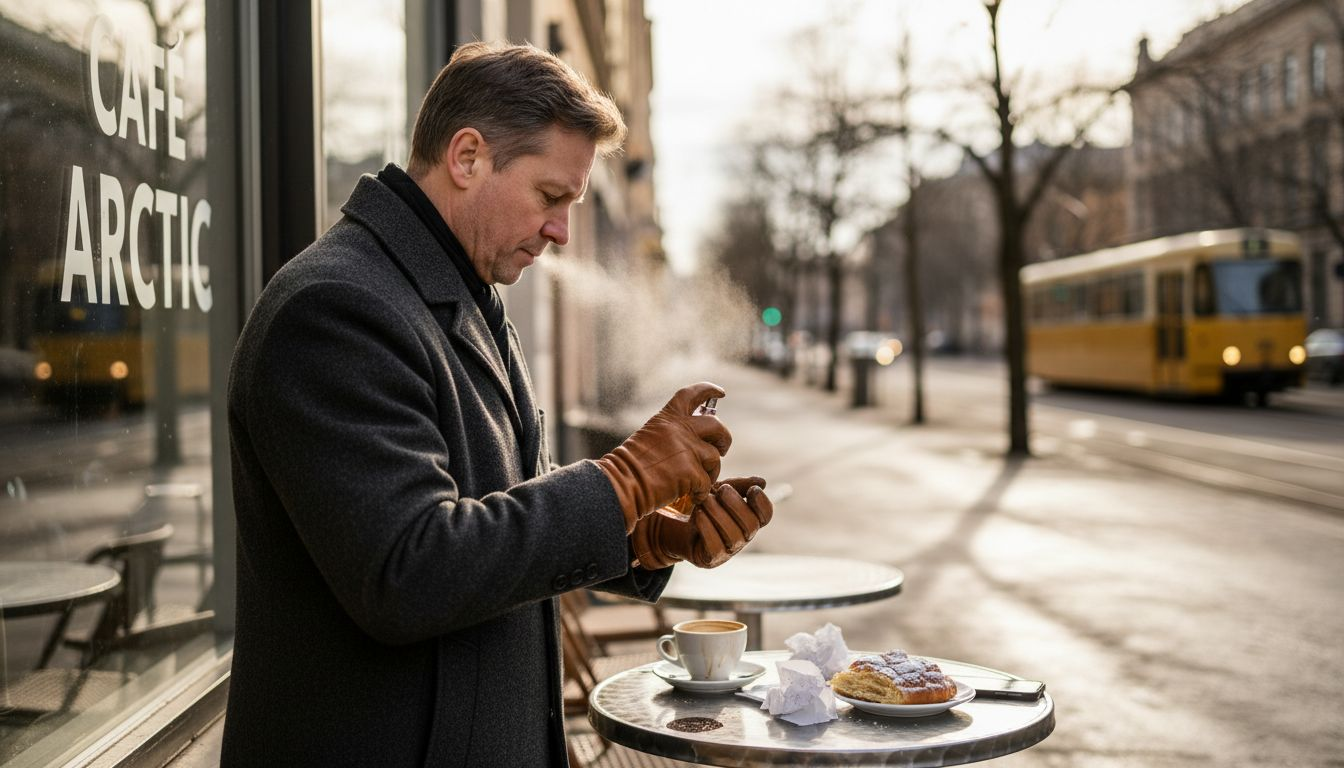
Beyond physical chemistry, human psychology drives seasonal fragrance preferences through deep emotional and cultural associations. Wearers’ mood and scent preferences shift with the seasons, with spring fragrances evoking freshness and renewal, summer favoring bright and citrusy notes, autumn warm and spicy, winter rich and comforting. These patterns reflect universal human responses to environmental cycles.
Seasonal mood shifts influence perfume desires in predictable ways:
- Spring awakening after long winters creates cravings for green, dewy, floral freshness symbolizing new beginnings
- Summer energy and outdoor activity pair naturally with vibrant citrus, marine, and fruity compositions
- Autumn transition toward introspection draws us to cozy spices, woods, and gourmand comfort scents
- Winter darkness and cold inspire desire for rich, enveloping orientals, incense, and deep resins
These preferences aren’t arbitrary but reflect how our bodies and minds adapt to changing light, temperature, and activity patterns. Finnish seasonal extremes amplify these psychological responses. Long winter darkness genuinely affects mood, making comforting fragrances emotionally supportive rather than merely aesthetic choices.
“Fragrance serves as emotional armor and mood enhancement, with seasonal alignment between scent character and environmental context creating psychological harmony that random selection cannot achieve.”
This emotional dimension explains why seasonal mood and scent preferences matter as much as technical performance. A perfectly composed summer citrus might technically work in winter but feel emotionally wrong, creating subtle dissatisfaction. Conversely, heavy winter orientals in summer heat can feel oppressive despite quality composition.
Aligning fragrance choices with both physical conditions and emotional states maximizes wearing pleasure. This dual awareness transforms perfume from simple accessory into mood-enhancing tool that supports wellbeing throughout seasonal cycles.
Common Misconceptions About Seasonal Perfume Use
Several persistent myths limit how people approach seasonal fragrance selection, reducing satisfaction and preventing optimal choices. Addressing these misconceptions clarifies better strategies for year-round scent enjoyment.
-
One signature scent works year-round: This belief ignores how dramatically weather affects performance. Nearly 45% of under-45 consumers use fragrance to express themselves seasonally, contradicting the myth that one scent fits all seasons. What projects beautifully in summer heat becomes muted in winter cold. A single signature limits rather than enhances your fragrance experience.
-
Perfumes smell identical regardless of season: Temperature, humidity, and even clothing materials alter how fragrances develop and project. Summer heat amplifies certain notes while winter cold suppresses others. The same bottle produces noticeably different scent profiles across seasons, making this assumption demonstrably false through simple testing.
-
Sampling multiple seasonal options is impractical: Modern sampling services make exploring seasonal varieties easier and more affordable than ever. Small investment in samples prevents expensive full-bottle mistakes while letting you discover perfect matches for each season’s conditions. This objection reflects outdated shopping assumptions rather than current reality.
-
Seasonal fragrance rules are rigid and limiting: Guidelines around seasonal appropriateness offer helpful frameworks, not strict laws. Personal preference always matters most. Understanding seasonal principles simply adds another tool for making choices that work rather than fighting against environmental realities.
These common perfume misconceptions prevent people from experiencing the full range of fragrance pleasure available through strategic seasonal selection. Releasing these limiting beliefs opens possibilities for richer, more satisfying scent wardrobes.
Building a Versatile Seasonal Fragrance Wardrobe
Constructing a practical fragrance collection balances core all-season staples with seasonal statement pieces for complete year-round coverage. This approach provides flexibility without overwhelming choice paralysis or excessive spending.
| Aspect | Core All-Season Scents | Seasonal Statement Scents |
|---|---|---|
| Purpose | Daily reliability across conditions | Highlight seasonal mood and optimize performance |
| Note profile | Balanced woody-aromatic, soft musks | Season-specific: florals, citrus, spices, gourmands |
| Intensity | Moderate projection and longevity | Varies: lighter for warmth, heavier for cold |
| Quantity | 2-3 versatile bottles | 1-2 per season (4-8 total) |
A practical three-step approach builds this wardrobe systematically:
- Assess your climate and lifestyle needs: Consider Finnish seasonal patterns and your daily activities to identify when you need freshness versus warmth, lightness versus depth.
- Select core versatile foundations: Choose 2-3 moderate, balanced fragrances working across seasons as reliable daily options when weather transitions or moods shift.
- Add targeted seasonal highlights: Build gradually with 1-2 signature scents per season that truly shine in specific conditions, starting with your most-worn seasons.
This framework creates versatile perfume collections without requiring dozens of bottles or overwhelming complexity. Start small and expand as you discover what genuinely enhances your seasonal experiences.
Pro Tip: Begin with just one signature scent for your favorite season, then gradually add others as you identify gaps in your current collection’s seasonal coverage.
Sampling proves invaluable during this building process. Testing multiple options for each seasonal category before purchasing full bottles prevents expensive mistakes and ensures every addition genuinely earns its place. Patient, thoughtful curation beats impulsive collecting for long-term satisfaction.
Emerging Trends in Seasonal Perfumes
The fragrance industry continues evolving with innovations reshaping how consumers approach seasonal scent selection. Understanding current trends helps you anticipate new options and make informed choices aligned with modern developments.
Key emerging trends influencing seasonal perfume choices include:
- Functional fragrances with mood benefits: Functional fragrances with mood-enhancing properties are a growing trend, with 70% of consumers believing fragrance impacts mood, supporting 8.5% annual growth. Seasonal scents now often incorporate calming lavender for winter stress or energizing citrus for summer vitality.
- Novel seasonal note introductions: Perfumers experiment with unexpected accords like truffle, milky notes, and unusual florals, expanding traditional seasonal palettes with fresh options.
- Sustainability focus: Eco-conscious consumers drive demand for natural ingredients and recyclable packaging, influencing which seasonal collections gain market traction.
- Personalization technologies: AI and data analytics help brands recommend seasonal scents matching individual preferences and local climate patterns more precisely.
- Wellness integration: Seasonal fragrances increasingly position themselves as self-care tools supporting mental health through aromatherapeutic benefits aligned with seasonal mood challenges.
These functional fragrance trends reflect broader consumer desires for products serving multiple purposes beyond simple aesthetics. Modern seasonal perfumes promise not just appropriate scent profiles but active mood support matching seasonal psychological needs.
For Finnish consumers, these developments mean more options specifically designed for extreme seasonal contrasts. Brands increasingly recognize northern markets require specialized formulations rather than one-size-fits-all approaches. This attention creates better performing seasonal choices for high-latitude conditions.
The Value of Sampling Seasonal Perfumes
Sampling represents the most practical strategy for discovering seasonally appropriate fragrances without expensive trial and error. Testing perfumes in actual wearing conditions reveals true compatibility before full-bottle commitment.
Key benefits of seasonal perfume sampling include:
- Experiencing how scents actually perform in your local climate and on your skin chemistry
- Discovering unexpected favorites you might never risk purchasing blind
- Building confidence in seasonal selections through informed comparison
- Avoiding costly mistakes from buying full bottles that disappoint in real conditions
- Exploring wider variety than budget allows with full-size purchases
A systematic approach maximizes sampling effectiveness:
- Select seasonal category samples: Choose 3-5 options representing different takes on the season’s typical note families.
- Test outdoors in relevant conditions: Wear each sample for full days in actual seasonal weather, not just indoors.
- Track detailed impressions: Note how each performs at different times, in various activities, and throughout full wearing cycle.
- Compare systematically: Review notes after testing all options to identify clear preferences and performance winners.
This methodical process clarifies choices far better than quick store tests or online reviews alone. Sampling seasonal perfumes before investing in full bottles reduces buyer regret and enhances discovery in local climate conditions specific to your region.
For practical guidance on testing techniques and evaluation criteria, perfume sampling tips provide detailed frameworks ensuring you extract maximum insight from each sample. Understanding benefits of perfume sampling transforms how you approach seasonal fragrance discovery, replacing guesswork with systematic exploration.
Conclusion: Optimizing Your Seasonal Perfume Experience
Seasonal perfume selection combines scientific understanding with psychological awareness to maximize wearing satisfaction throughout the year. Temperature and humidity fundamentally alter fragrance performance, while seasonal mood shifts influence which scent profiles feel emotionally right. Building a versatile wardrobe balancing core staples with seasonal highlights provides flexibility matching Finland’s dramatic climate variations.
Sampling emerges as the essential tool enabling confident seasonal choices without expensive mistakes. Testing fragrances in actual conditions reveals true compatibility that store visits cannot replicate. This investment in exploration pays dividends through better-performing, more emotionally satisfying scent selections for every season.
Your seasonal fragrance journey begins with curiosity and willingness to experiment beyond habitual choices. Each season offers unique opportunities to discover scents that enhance rather than simply accompany your experiences. Strategic selection transforms perfume from background detail into active contributor to seasonal wellbeing and self-expression.
Explore Seasonal Perfume Sampling with Be Frsh
Ready to discover your perfect seasonal scents? Be Frsh makes exploring fragrances risk-free through comprehensive sampling that lets you test perfumes in your actual climate before committing to full bottles. Experience how different compositions perform during Finnish winters, springs, summers, and autumns without expensive guesswork.
Our curated selection spans all seasonal fragrance families, from fresh spring florals to rich winter orientals. Expert guidance through our perfume sampling guide on Be Frsh helps you navigate options systematically. Learn about perfume samples and discover how small investments in testing prevent costly full-bottle regrets while expanding your fragrance horizons.
Explore seasonal perfumes at Be Frsh and build your ideal year-round collection with confidence. Fast delivery ensures you can test seasonal options when weather matters most.
Frequently Asked Questions About Seasonal Perfumes
What makes a perfume suitable for a particular season?
Seasonal suitability depends on note composition and concentration matching weather conditions. Light citrus and floral scents project well in summer heat without overwhelming, while rich woody and spicy bases sustain presence in winter cold. Temperature affects how quickly perfume molecules evaporate, making heavier compositions better for cold and lighter ones ideal for warmth.
Can I wear the same perfume year-round?
You can wear any perfume anytime, but performance and emotional satisfaction vary significantly across seasons. The same scent projects differently in heat versus cold, and seasonal moods influence which profiles feel appropriate. Most enthusiasts find 2-3 core all-season scents plus seasonal highlights provide better year-round experiences than single signatures.
How does Finland’s climate affect fragrance choice?
Finland’s extreme seasonal contrasts demand strategic selection more than moderate climates. Long, cold winters favor rich, heavy compositions that persist despite low temperatures, while brief bright summers call for fresh, energizing scents that won’t overwhelm in warmth. Testing perfumes outdoors in actual Finnish conditions reveals true performance better than generic recommendations.
Why is sampling important for seasonal perfumes?
Sampling lets you experience how fragrances actually perform in seasonal conditions before expensive full-bottle purchases. Store testing rarely matches real outdoor environments. Samples reveal true longevity, projection, and emotional fit across hours of wear in relevant weather, preventing costly mistakes and enabling confident seasonal selections.
What notes are best for winter perfumes?
Winter fragrances typically emphasize rich base notes that develop slowly and persist in cold. Woods like sandalwood and cedar, warm spices including cinnamon and cardamom, resins such as amber and benzoin, and deep orientals with vanilla or incense perform well. These heavier compositions resist cold-induced muting while providing psychological warmth during dark months.