Niche fragrances: why collectors sample before splurging

The niche fragrance market is booming, and collectors everywhere are rethinking how they build their scent wardrobes. Spending $200 or more on a full bottle without a single test wear is a gamble most enthusiasts have lost at least once. The good news is that sampling has evolved into a legitimate collecting strategy, not just a cautious workaround. This guide breaks down what makes niche fragrances worth pursuing, how to evaluate them like a pro, and how to build a collection you will actually love wearing.
Table of Contents
- What makes a fragrance ‘niche’?
- Why enthusiasts and collectors prioritize sampling
- Expert strategies for evaluating niche fragrances
- The evolving role of niche fragrances in personal expression
- Smart collecting: Building a niche fragrance wardrobe
- Explore and expand your niche collection with Be Frsh
- Frequently asked questions
Key Takeaways
| Point | Details |
|---|---|
| Niche explained | Niche fragrances emphasize uniqueness, authenticity, and small-batch artistry over mass appeal. |
| Smart sampling | Sampling and decants let you experience scents multiple times and avoid costly blind buys. |
| Expert testing | Evaluate each fragrance with at least four varied wears to understand its true performance and evolution. |
| Self-expression | Niche scents empower collectors to reflect their personality, values, and creativity. |
| Collector strategy | Build your niche wardrobe progressively, from samples and decants to travel sizes and full bottles. |
What makes a fragrance ‘niche’?
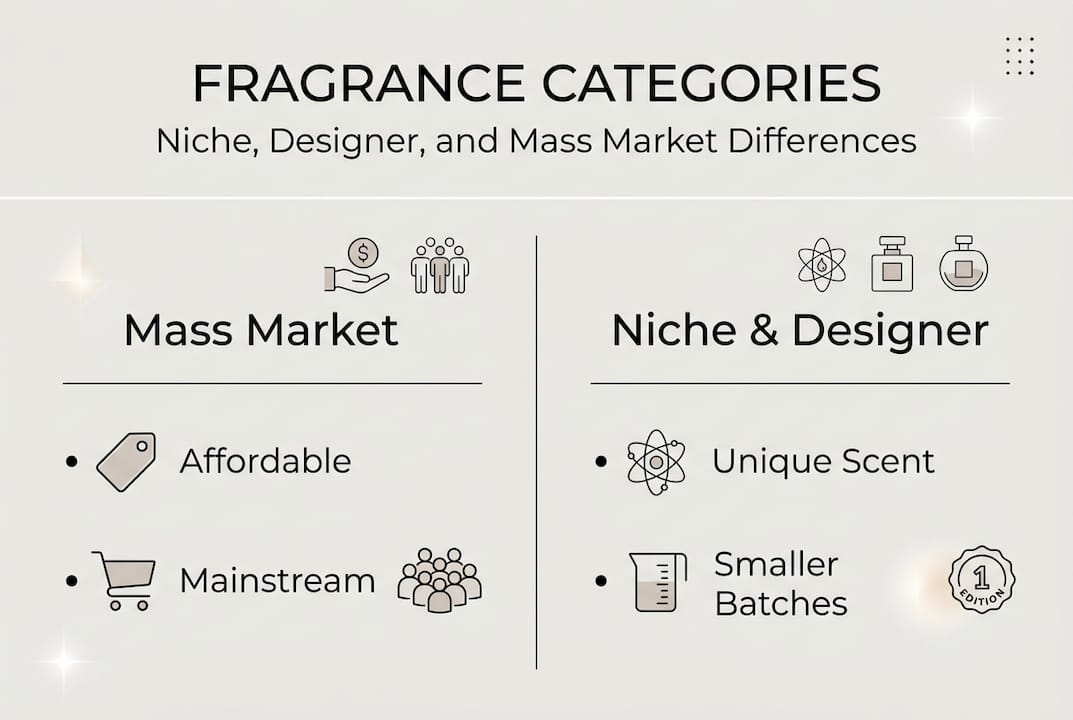
Understanding what qualifies as a niche fragrance is essential before exploring the collector’s approach to selection and sampling. The word “niche” gets thrown around a lot, but it has a specific meaning in the fragrance world. Niche houses prioritize unusual scent profiles, small-batch production, and named perfumers who take creative risks that mainstream brands simply would not fund. You are paying for a point of view, not a celebrity endorsement.
The contrast with designer and mass-market fragrances is sharp. Designer brands like Dior or Chanel operate with massive distribution networks and spend heavily on advertising. Mass-market options go even further, optimizing for broad appeal and low cost. Niche brands, by contrast, keep distribution tight and let the juice do the talking. The niche fragrance market is projected at $4.85B in 2026, growing at a 9.1% CAGR that easily outpaces the mass market’s 2.69 to 5% growth rate.
One thing worth knowing: price does not automatically equal quality. Designer pricing reflects 40 to 60% marketing spend, while niche brands typically put 25 to 40% of their budget into actual ingredients. That said, some niche labels have learned to charge premium prices while spending heavily on branding too. Knowing what is niche perfume helps you cut through the noise.
“Niche perfumery is not about exclusivity for its own sake. It is about creative freedom and ingredient integrity that mass production cannot accommodate.”
Here are the features that consistently define niche fragrances:
- Unique, unconventional scent profiles that challenge mainstream tastes
- Gender-neutral or unisex positioning, designed for the wearer rather than a demographic
- Named perfumers with visible creative credits
- Limited edition releases that reward collectors who pay attention
- Small-batch or artisan production with higher ingredient budgets
- Minimal retail distribution, often direct-to-consumer or specialty boutiques
For a deeper look at how the category is defining niche fragrance in 2026, the landscape has shifted considerably toward transparency and storytelling.
| Feature | Mass market | Designer | Niche |
|---|---|---|---|
| Price range | $20 to $60 | $80 to $200 | $150 to $500+ |
| Marketing spend | Very high | 40 to 60% of cost | Low to moderate |
| Ingredient quality | Standardized | Moderate | High, often rare |
| Distribution | Everywhere | Department stores | Boutiques, online |
| Perfumer credit | Rarely named | Occasionally named | Almost always named |
| Gender positioning | Gendered | Mostly gendered | Often gender-neutral |
Why enthusiasts and collectors prioritize sampling
Now that niche fragrances are defined, learn why sampling is a fundamental part of collecting and how to do it efficiently. The financial math alone makes the case. A single full bottle from a respected niche house can run $200 to $400, and some ultra-rare releases go well beyond that. Buying blind, meaning without any prior testing, is how collectors end up with bottles they never reach for.
Sampling via decants and discovery sets is the standard way collectors mitigate that risk. A 1 to 2ml sample gives you one or two full wears. A decant of 5 to 8ml lets you test across multiple occasions and environments. Discovery sets bundle several scents from a single house, giving you context for the brand’s creative direction before you commit.
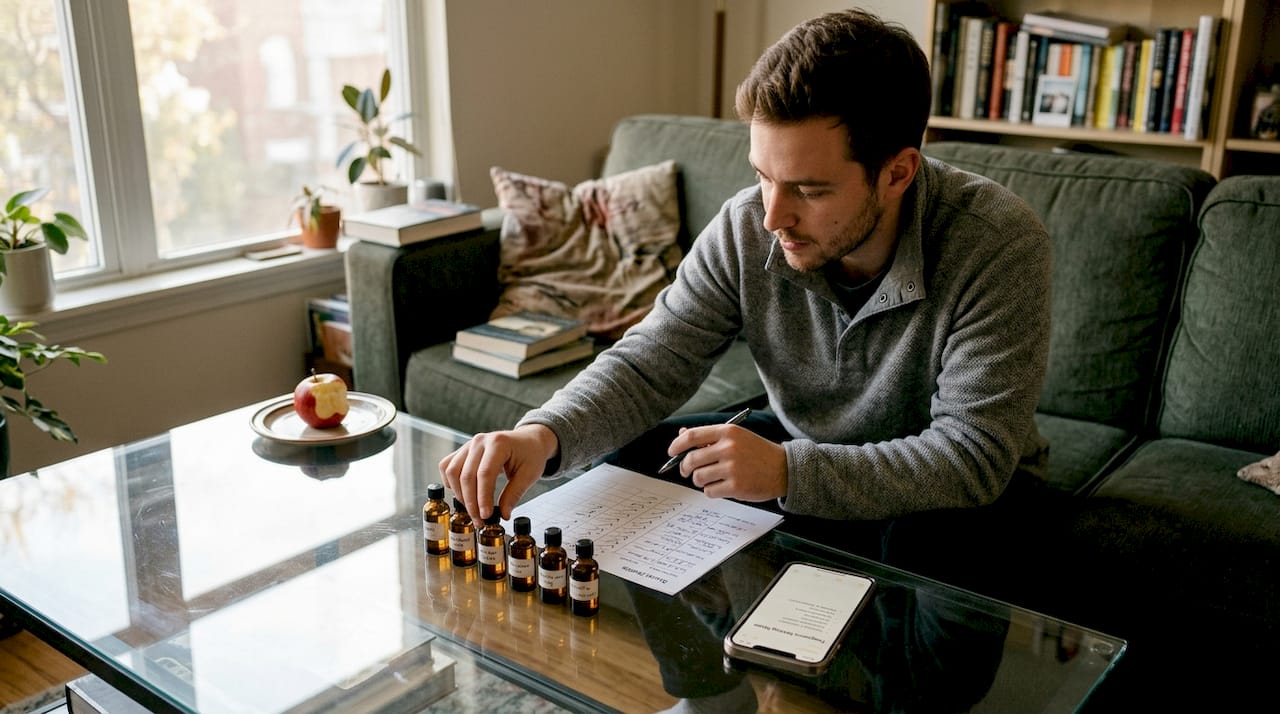
Most serious collectors follow a structured sampling process when evaluating new scents. Here is how it works in practice:
- First wear (initial impression): Apply to clean skin and note your immediate reaction. Do not judge yet.
- Daytime test: Wear the sample during a normal workday. Track how it performs in warmth and movement.
- Evening test: Wear it in a cooler, lower-light setting. Many scents shift dramatically at night.
- Direct comparison: Wear two candidates on opposite wrists on the same day to compare performance side by side.
Pro Tip: Keep a small notebook or use a notes app to log your impressions after each wear. Note the opening, the dry-down, and how long the sillage lasted. Patterns across multiple wears reveal whether a scent is truly a fit or just a novelty.
| Sample type | Volume | Typical wears | Best for |
|---|---|---|---|
| Vial sample | 1 to 2ml | 1 to 2 | First impression |
| Decant | 5 to 8ml | 4 to 8 | Multi-wear evaluation |
| Discovery set | Varies | Multiple scents | Brand exploration |
| Travel size | 10 to 30ml | 10 to 30 | Pre-full-bottle stage |
For sampling niche scents effectively, the goal is to build a shortlist of three to six candidates per buying cycle before making any full-bottle decisions.
Expert strategies for evaluating niche fragrances
Once you have a range of samples, apply expert testing strategies to distinguish scents that are truly worth collecting. The biggest mistake new collectors make is judging a fragrance on its top notes alone. Top notes are the first thing you smell, but they evaporate within 15 to 30 minutes. What remains, the heart and base, is what you will actually live with.
Expert reviewers assess niche scents using multi-wear routines that focus on profile consistency, longevity, sillage, and overall value. Skin chemistry plays a huge role too. The same fragrance can smell completely different on two people due to pH levels, diet, and skin moisture. Environment matters as well: humidity amplifies projection, cold air tightens sillage, and stress can alter how your skin interacts with certain musks.
Here is a practical multi-wear evaluation method used by experienced collectors:
- Wear one: Note the full arc from opening to dry-down. How long does each phase last?
- Wear two: Test in a different environment (indoors vs. outdoors, warm vs. cool).
- Wear three: Evaluate longevity specifically. How many hours before the scent fades?
- Wear four: Final decision wear. Does it still excite you, or has the novelty worn off?
Pro Tip: Avoid spraying on paper strips for final decisions. Skin testing is the only reliable method because fragrance molecules interact with your body chemistry in ways that paper cannot replicate.
“Consistency and transitions matter more than top notes alone. A fragrance that opens brilliantly but collapses in an hour is not a collector’s piece.”
For niche fragrance evaluation, the four-wear method filters out impulse reactions and reveals whether a scent has genuine staying power in your life.
The evolving role of niche fragrances in personal expression
Beyond the mechanics of sampling, the true appeal of niche fragrances lies in how they empower collectors to express individuality and participate in a passionate community. Niche fragrances are not just products. They are statements. Wearing something from a small house with a named perfumer and a specific creative philosophy says something about who you are that a department store bestseller simply cannot.
Gender-neutral options have seen 66% growth, reflecting a broader shift toward fragrance as personal identity rather than gendered signaling. Collectors are drawn to rare ingredients like oud, ambergris, and orris root not just for their scent but for their stories. A fragrance built around sustainably sourced Haitian vetiver or Bulgarian rose absolute carries a narrative that mass-market alternatives cannot match.
The collector community itself has become a draw. Here is what pulls enthusiasts deeper into the niche world:
- Batch code tracking: Collectors monitor formula changes across production runs, sometimes preferring older batches
- Limited launch events: Houses like Byredo, Memo Paris, and Tauer Perfumes create genuine scarcity with timed drops
- Community forums and swap groups: Platforms like Fragrantica and dedicated subreddits enable decant swaps and collective reviews
- Perfumer collaborations: Named perfumers with cult followings attract collectors who follow their work across houses
- Seasonal and regional exclusives: Some releases are only available in specific markets, adding rarity value
“Sampling helps build a versatile wardrobe without waste. You only buy what you know you love.”
For unique niche fragrance examples that reflect these trends, the 2026 landscape is rich with ultra-niche blends that reward collectors who take the time to explore.
Smart collecting: Building a niche fragrance wardrobe
To complete your journey, put sampling and self-expression in action by building a smart, sustainable niche wardrobe. The most effective collectors do not buy randomly. They follow a tiered strategy that protects their budget while maximizing discovery. Collectors employ a tiered strategy that moves from sample to decant to travel size to full bottle, only advancing when a scent has proven itself at each stage.
Here is the four-step path that experienced collectors use:
- Sample (1 to 2ml): First contact. Cheap, low-risk, and widely available through specialty retailers.
- Decant (5 to 8ml): Confirms your initial impression across multiple wears and occasions.
- Travel size (10 to 30ml): The final test before full commitment. Live with it for a few weeks.
- Full bottle: Only buy when you are certain. No regrets, no shelf queens.
Beyond the buying ladder, smart collectors use these habits to stay sharp:
- Check batch codes using tools like checkfresh.com to verify production dates and detect formula changes
- Follow house newsletters for early access to limited drops before they sell out
- Join fragrance communities on Reddit (r/fragrance), Basenotes, and Fragrantica for real-time reviews
- Set a seasonal budget and stick to it. Hype cycles are real and expensive.
- Rotate your collection rather than hoarding. Wearing your bottles is the point.
For exploring niche perfume examples that fit different wardrobe slots, think in terms of occasion: a woody oud for evenings, a citrus soliflore for mornings, and a skin-close musk for everyday wear.
Explore and expand your niche collection with Be Frsh
Everything covered in this guide points to one practical truth: the best fragrance decisions start with sampling. Be Frsh makes that first step easy, with a curated selection of niche fragrance samples, decants, and discovery sets organized by category, season, and occasion.
Whether you are building your first niche wardrobe or hunting for your next signature scent, Be Frsh’s niche fragrance discovery sets let you test before you invest. Browse the full Be Frsh collection to find samples from both celebrated and under-the-radar houses, all delivered fast so your next great discovery is never more than a few clicks away. Smart collecting starts here.
Frequently asked questions
Why are niche fragrances more expensive?
Niche fragrances cost more because they invest 25 to 40% of their budget in actual ingredients rather than marketing, while designer brands spend 40 to 60% on advertising. Limited production runs and rare raw materials also push prices higher.
How many times should you test a niche fragrance before deciding to buy?
Test a sample at least 3 to 4 times across different environments and times of day to get a true read on longevity, sillage, and how the scent evolves on your skin.
Can a designer perfume outperform a niche fragrance?
Absolutely. Some designer fragrances offer better longevity or value than certain niche options, since niche is not always superior in performance. The label matters less than how the fragrance actually wears on you.
What is a fragrance decant and why use it?
A decant is a small portion of perfume, typically 1 to 8ml, transferred into a vial so you can test before committing to a full bottle. It gives you enough wears to make a confident, informed decision.