Fragrance layering guide: personalize your scent in 2026

Finding a signature scent that feels truly yours can be frustrating when every perfume seems to smell the same on someone else. Fragrance layering is the practice of applying multiple perfumes sequentially on the skin to create a unique, personalized scent that reflects your individual style. This guide teaches you how to safely combine fragrances, avoid common mistakes, and craft custom scent combinations that last longer and stand out. You’ll learn the essential materials, step-by-step techniques, seasonal adaptations, and troubleshooting tips to master this transformative fragrance skill.
Table of Contents
- Key takeaways
- What you need: prerequisites and materials for fragrance layering
- How to layer fragrances: step-by-step instructions
- Tips, troubleshooting, and seasonal adaptations
- Explore curated fragrance layering sets at Be Frsh
- Frequently asked questions about fragrance layering
Key Takeaways
| Point | Details |
|---|---|
| Layer with lighter first | Begin with lighter fragrances and then layer heavier ones to create a harmonious, multidimensional scent. |
| Boost longevity with lotion | Apply unscented or matching scented lotion to clean dry skin to extend scent longevity and improve diffusion. |
| Test layers before committing | Test combinations on a small skin area for at least two hours to observe drying down and adjust accordingly. |
| Document successful pairings | Keep a fragrance journal tracking which combinations work, their order, and how long they last. |
What you need: prerequisites and materials for fragrance layering
Successful fragrance layering begins with selecting compatible perfumes and preparing your skin properly. You need at least two fragrances that share complementary note families, such as vanilla paired with fruity accords or woody scents combined with citrus top notes. Understanding fragrance note structures is essential because perfumes unfold in three phases: top notes appear immediately, middle notes emerge after 15-30 minutes, and base notes linger for hours. When layering, consider how these phases interact across multiple fragrances to avoid creating muddy or clashing combinations.
Skin preparation dramatically impacts layering success. Apply an unscented or lightly scented moisturizer to clean, dry skin before any fragrance application. Hydrated skin holds scent molecules more effectively than dry skin, creating a better foundation for layered perfumes. Choose pulse points like wrists, neck, inner elbows, and behind knees where blood flow naturally warms the skin and helps fragrances diffuse. Avoid rubbing fragrances together after application, as friction breaks down scent molecules and alters the intended composition.
Essential materials for fragrance layering:
- Two to three complementary fragrances from different note families
- Unscented body lotion or matching scented lotion from one fragrance line
- Clean skin testing area (inner wrist or forearm)
- Blotting papers to remove excess oil before application
- Small notebook to track successful combinations
Choose fragrances strategically by avoiding two heavy base-note-dominant perfumes in one combination. Pairing an oriental amber with a heavy oud typically creates an overwhelming, muddled result. Instead, balance a light floral with a deeper woody scent, or combine a fresh citrus with a warm vanilla. The contrast creates dimension while maintaining wearability.
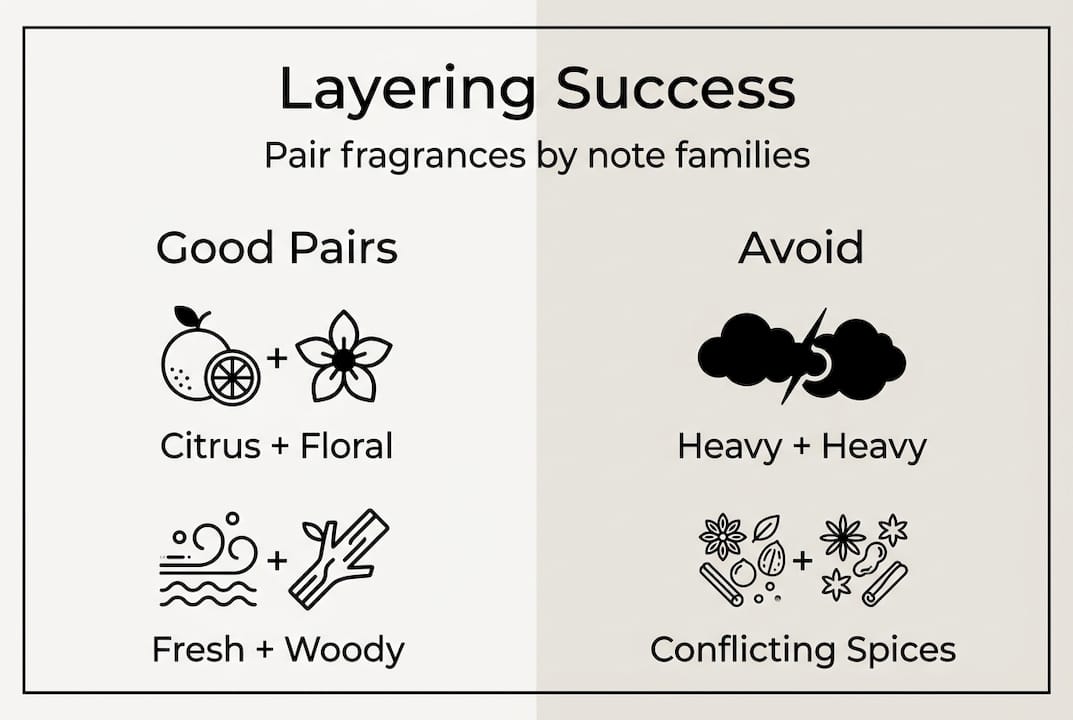
| Note Family | Compatible Pairs | Avoid Pairing With |
|---|---|---|
| Citrus | Woody, aquatic, green | Heavy oriental, strong oud |
| Floral | Fruity, powdery, light musk | Overpowering spices, heavy leather |
| Woody | Citrus, herbal, light floral | Competing woody notes, heavy smoke |
| Oriental | Vanilla, light florals, soft spices | Other heavy orientals, strong animalic notes |
Pro Tip: Test potential layering combinations on a small skin area for at least two hours before committing to full application. Fragrances evolve dramatically as they dry down, and what smells pleasant initially might turn unpleasant as base notes emerge. Keep a fragrance journal noting which combinations worked, the application order, and how long they lasted. This reference becomes invaluable as you expand your layering repertoire and discover your personal scent preferences.
Understanding your skin chemistry is equally important. Oily skin holds fragrances longer but can amplify certain notes, while dry skin causes scents to fade quickly. If you have dry skin, apply lotion liberally before layering. Those with oily skin might need less product overall to avoid overwhelming projection. Temperature also affects how fragrances develop, so consider that layered scents will project more strongly in warm weather and sit closer to the skin in cold conditions.
How to layer fragrances: step-by-step instructions
The order of application determines whether your layered fragrance harmonizes or clashes. Some sources recommend lighter fragrance first, then heavier to build complexity without overwhelming the composition. Start by applying your lightest fragrance, typically one with prominent citrus, aquatic, or green notes. Spray this base layer on your primary pulse points: both wrists, the neck, and optionally behind the ears. Use one to two sprays per area, as over-application at this stage leaves no room for subsequent layers.
Allow the first layer to dry completely before adding the second fragrance. This waiting period typically takes three to five minutes and prevents the alcohol bases from mixing and altering the scent profiles. During this time, the top notes of your base layer begin to settle, creating a foundation for the next fragrance. Skipping this step causes the perfumes to blend chemically rather than layering aromatically, resulting in a muddled scent that doesn’t showcase either fragrance properly.
Step-by-step layering process:
- Apply unscented lotion to clean, dry skin on all pulse points
- Spray your lightest fragrance (1-2 sprays per pulse point)
- Wait three to five minutes for the first layer to dry completely
- Apply your heavier fragrance (1 spray per pulse point)
- Allow the complete layered composition to develop for 15 minutes
- Evaluate the scent and adjust future applications based on results
The second fragrance should complement rather than dominate the first. If you started with a fresh citrus, add a warm vanilla or soft musk to create depth. Apply this heavier layer more sparingly than the base, using just one spray per pulse point. The goal is creating dimension where both fragrances remain identifiable rather than merging into a single indistinct scent. You should be able to detect notes from both perfumes throughout the wear time.
Pulse point selection matters more than most people realize. The neck projects scent outward to others, while wrists allow you to enjoy your fragrance personally throughout the day. Inner elbows and behind the knees create subtle scent trails as you move. For smart layering techniques with perfume sets, consider applying lighter fragrances to upper body pulse points and reserving heavier scents for lower areas. This creates a natural scent gradient that evolves as the fragrances warm and rise.
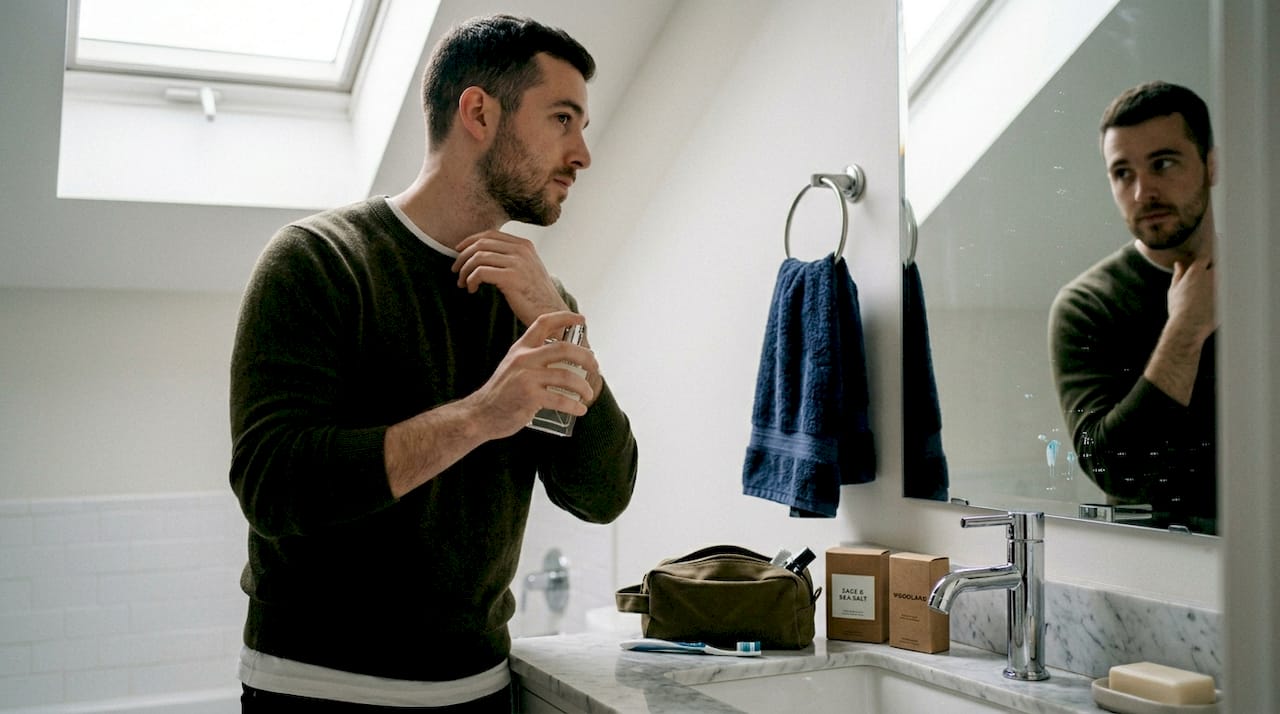
Pro Tip: Avoid spraying fragrances directly onto clothing when layering because fabrics hold scent molecules differently than skin and prevent the natural evolution of fragrance notes. Clothing can also stain from perfume oils, and the scent will remain static rather than developing through top, middle, and base note phases. If you want scent on clothing, spray your layered combination in the air and walk through the mist after the fragrances have dried on your skin.
Timing your layering throughout the day extends wear time strategically. Apply your base layer in the morning, then add the complementary fragrance after lunch for a refreshed scent profile. This technique works especially well for transitioning from professional daytime scents to more personal evening fragrances. You can also layer a fresh citrus over a fading woody base to revive your fragrance without reapplying the heavier scent completely.
Tips, troubleshooting, and seasonal adaptations
Seasonal changes demand different layering approaches because temperature and humidity affect how fragrances project and last. In summer heat, heavy oriental or woody fragrances become cloying and overwhelming. Instead, layer light citrus with aquatic notes or fresh florals with green accords. The warmth amplifies projection, so use fewer sprays than you would in cooler weather. Winter cold suppresses fragrance diffusion, making it ideal for richer combinations like vanilla with amber or spicy notes with deep woods. You can apply more generously because the scent sits closer to your skin.
Layering with lotion boosts longevity 46-112%; layered scents last 1-2h longer, up to 6-8h in tests, making this preparation step critical for maximizing your investment. The moisturizer creates a hydrated base that holds fragrance molecules more effectively than bare skin. For even better results, use a matching scented lotion from one of your layering fragrances as the base. This amplifies that particular scent within your layered combination while still providing the longevity benefits.
Skin type significantly impacts layering effectiveness and requires adjusted techniques. Dry skin absorbs fragrance quickly, causing scents to fade within two to three hours. If you have dry skin, apply a rich body butter before layering and consider reapplying your lighter layer at midday. Oily skin holds fragrances longer, sometimes up to eight hours, but can amplify certain notes like musks or animalic accords. Those with oily skin should use lighter application and avoid overly heavy base notes that might become overwhelming.
Common layering mistakes and solutions:
- Over-application creates a muddled, headache-inducing scent; use fewer sprays per layer
- Clashing note families like competing florals produce confusion; choose complementary families instead
- Skipping skin preparation causes rapid fading; always moisturize before application
- Rubbing wrists together breaks down molecules; let fragrances air dry naturally
- Layering too many fragrances overwhelms the composition; stick to two or three maximum
Seasonally adapt (light in summer, rich in winter); test on skin; over-application leads to muddled scent and potential negative reactions from those around you. Always test new combinations on a small skin area before wearing them publicly. What smells amazing in the bottle might clash on your skin chemistry, and what works for someone else might not suit your personal pH levels. Keep your perfume discovery tips reference handy when experimenting with new layering combinations.
| Season | Recommended Combinations | Application Tips |
|---|---|---|
| Spring | Floral + citrus, green + aquatic | Moderate application, 2-3 sprays total |
| Summer | Citrus + aquatic, light floral + fresh | Light application, 1-2 sprays total |
| Fall | Woody + spice, amber + vanilla | Moderate to heavy, 3-4 sprays total |
| Winter | Oriental + woody, vanilla + musk | Heavy application, 4-5 sprays total |
“The art of fragrance layering lies not in masking one scent with another, but in creating a harmonious dialogue between complementary notes that evolve together throughout the day.”
Troubleshooting clashing combinations requires understanding why certain notes conflict. Competing dominant notes, like two strong florals or multiple heavy musks, fight for attention rather than complementing each other. If your layered combination smells harsh or gives you a headache, one fragrance is likely overpowering the other. Try reducing the heavier scent to a single spray or switching the application order. Sometimes applying the heavier fragrance first, then the lighter one, creates better balance.
Fragrance longevity issues often stem from application technique rather than the perfumes themselves. If your layered combination fades within an hour, you might be applying to dry skin or rubbing the fragrances together. Reapply your moisturizer, let it absorb fully, then layer your fragrances without any rubbing motion. The scent should last four to six hours minimum with proper preparation. If it still fades quickly, your skin chemistry might be particularly dry or acidic, requiring more frequent reapplication or switching to oil-based perfumes that adhere better.
Explore curated fragrance layering sets at Be Frsh
Creating successful fragrance combinations becomes easier when you start with perfumes designed to work together. Be Frsh offers curated fragrance layering sets that take the guesswork out of finding complementary scents, allowing you to experiment confidently without risking incompatible purchases. These sets feature fragrances from the same note families or complementary profiles, ensuring harmonious layering results from your first attempt. Each set includes detailed guidance on suggested combinations and application techniques specific to those fragrances.
Shopping from curated sets reduces the financial risk of buying full-size bottles that might not layer well together. You can test multiple combinations, discover your preferences, and build a versatile fragrance wardrobe without commitment. Be Frsh prioritizes customer experience through transparent privacy compliance info and comprehensive privacy regulatory details, ensuring your personal information remains protected throughout your shopping journey. The layering sets ship quickly, letting you start experimenting with personalized scent combinations within days. Whether you prefer fresh and clean profiles or rich and complex compositions, the curated collections offer starting points for every preference and skill level.
Frequently asked questions about fragrance layering
What is fragrance layering and how does it work?
Fragrance layering is the technique of applying multiple perfumes sequentially on your skin to create a personalized, unique scent combination. Each fragrance maintains its individual character while blending with others to produce complex, dimensional results that evolve throughout the day as different notes emerge and fade.
How does layering enhance scent uniqueness and longevity?
Layering creates signature combinations that no one else wears because you’re blending fragrances according to your personal preferences and skin chemistry. The technique extends wear time by building scent depth, with each layer reinforcing and amplifying the others, often lasting two to three hours longer than single fragrances worn alone.
What are the risks of clashing scents when layering?
Clashing occurs when you combine fragrances with competing dominant notes, like two heavy florals or conflicting spices, creating muddy or unpleasant results. The key risk is over-application, which amplifies any incompatibilities and can cause headaches. Always test combinations on a small skin area first and use restraint with application amounts.
What is the best order for layering different fragrance weights?
Start with your lightest fragrance, typically one featuring citrus, aquatic, or fresh green notes, as your base layer. Follow with progressively heavier fragrances that have deeper woods, orientals, or musks. This order prevents heavier scents from overwhelming lighter ones and creates natural complexity as the layers develop together.
How do I test fragrance layers safely before full application?
Apply your planned combination to your inner wrist or forearm using minimal amounts, just one spray of each fragrance. Wait at least two hours to experience how the scents evolve through all note phases before deciding whether to wear the combination fully. Keep notes on successful pairings for future reference and refinement.
How does fragrance layering fit into daily routines?
Incorporate layering into your morning routine by applying your base fragrance after showering and moisturizing, then adding complementary layers before leaving home. Refresh your scent at midday by reapplying just the lighter layer, or transition from day to evening by adding a richer fragrance over your fading base. This flexibility lets you adapt your scent profile to different settings and occasions throughout your day.