What are designer perfumes? A 2026 guide for fragrance lovers

Many fragrance enthusiasts assume designer perfumes lack the sophistication and depth found in niche offerings, but this misconception overlooks the artistry and quality that established luxury brands bring to their scent creations. Designer perfumes represent a diverse category crafted by renowned fashion houses, offering accessible yet refined fragrances that appeal to broad audiences without sacrificing performance. This guide explores what defines designer perfumes, how they compare to niche alternatives, where to find them, and why sampling remains the smartest strategy for discovering your signature scent in 2026.
Table of Contents
- Understanding Designer Perfumes: Definition And Appeal
- Availability And Distribution Channels Of Designer Perfumes
- Quality And Performance: Designer Vs. Niche Fragrances
- Sampling Designer Perfumes: How To Discover Your Signature Scent
- Explore High-Quality Designer Perfume Samples At Be Frsh
- FAQ
Key takeaways
| Point | Details |
|---|---|
| Designer perfumes defined | Created by established fashion or luxury brands with scent profiles designed for broad accessibility and universal appeal |
| Wide availability | Found in department stores, brand boutiques, and online platforms, making discovery and purchase straightforward |
| Quality comparison | While niche fragrances offer experimental exclusivity, many designer perfumes deliver excellent longevity and sillage |
| Sampling benefits | Testing samples before full bottle purchases reduces risk and helps identify scents that work with your skin chemistry |
Understanding designer perfumes: definition and appeal
Designer perfumes emerge from established fashion houses and luxury brands that have built reputations beyond fragrance, including names like Chanel, Dior, Gucci, and Yves Saint Laurent. These companies invest heavily in creating scents that resonate with large audiences, balancing artistic vision with commercial viability. Unlike niche perfumers who prioritize creative experimentation over mass appeal, designer fragrances prioritize accessibility, often focusing on universally liked scents that feel familiar yet distinctive.
The appeal of designer perfumes lies in their ability to deliver quality without intimidation. You can walk into a department store and experience dozens of options, each backed by marketing campaigns, celebrity endorsements, and recognizable packaging. This accessibility makes designer fragrances ideal entry points for anyone building a fragrance wardrobe. The scent profiles typically avoid polarizing notes, instead featuring combinations that work across demographics and occasions.
Designer perfumes also benefit from economies of scale. Large production runs allow brands to source quality ingredients while maintaining competitive pricing compared to small-batch niche alternatives. This does not mean designer fragrances compromise on craftsmanship. Many employ renowned perfumers who create complex compositions using premium materials. The difference lies in intent: designer brands aim for broad appeal, while niche perfumes for discovery push boundaries with unconventional blends.
“Designer perfumes represent the intersection of luxury fashion and accessible fragrance, offering quality scents that appeal to diverse tastes without requiring extensive fragrance knowledge to appreciate.”
Key characteristics that define designer perfumes include:
- Created by established luxury or fashion brands with global recognition
- Formulated for mass market appeal with universally pleasant scent profiles
- Widely available through multiple retail channels including department stores and online platforms
- Supported by substantial marketing budgets and celebrity partnerships
- Priced competitively relative to niche alternatives while maintaining quality standards
Availability and distribution channels of designer perfumes
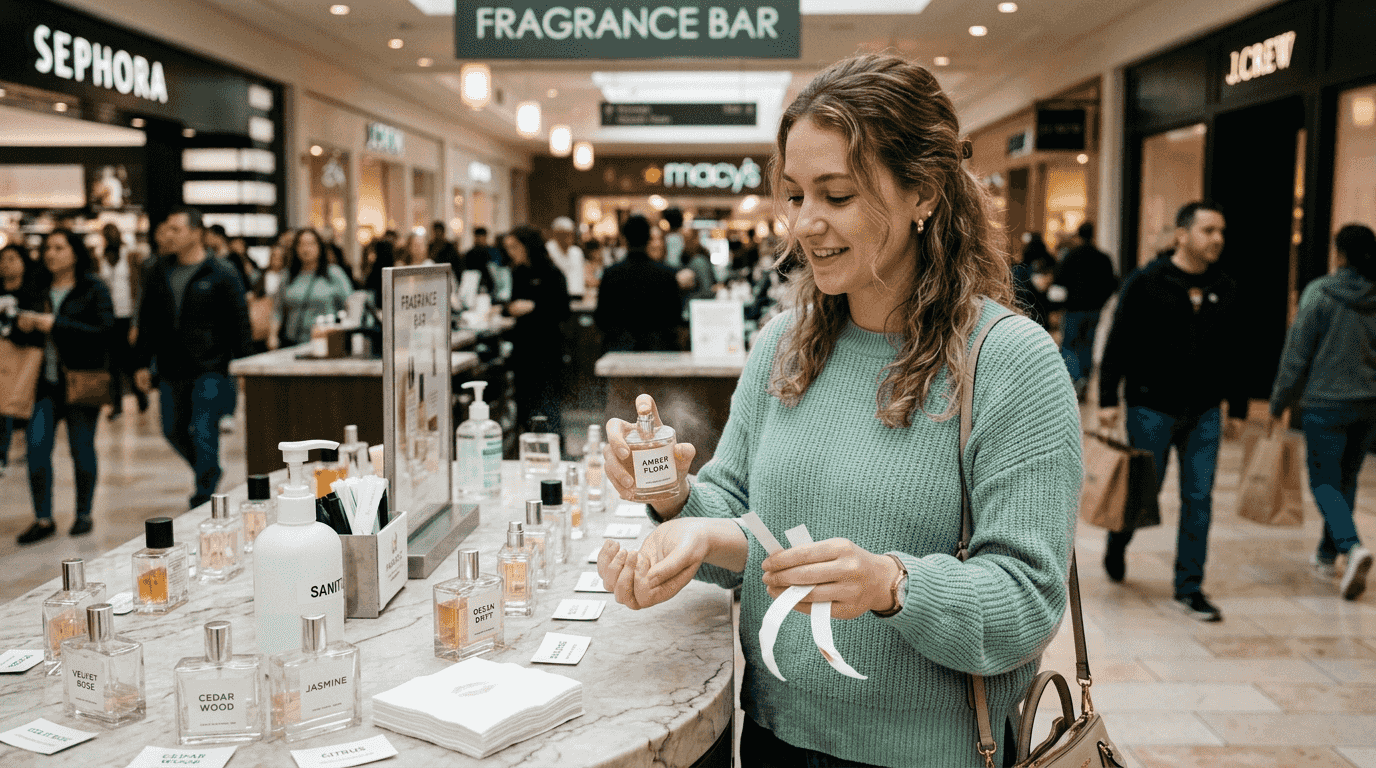
The widespread availability of designer fragrances in various retail channels contributes significantly to their popularity and accessibility. You can find designer perfumes in physical department stores like Nordstrom, Sephora, and Ulta, where trained associates offer guidance and testers allow immediate sampling. Brand boutiques provide immersive experiences showcasing entire fragrance lines, often with exclusive releases or limited editions not available elsewhere.
Online shopping has transformed designer perfume accessibility. Official brand websites, authorized retailers, and specialty fragrance platforms offer convenient browsing with detailed scent descriptions, customer reviews, and often sample programs. This digital availability means you can explore popular designer perfumes from anywhere, comparing options and reading experiences from other fragrance enthusiasts before committing to full bottles.
The multi-channel distribution model creates opportunities for discovery that niche fragrances rarely match. You might encounter a designer perfume through a magazine advertisement, test it at a department store counter, read reviews online, order a sample for home testing, and finally purchase a full bottle through your preferred retailer. This journey feels seamless because designer brands invest in presence across all touchpoints.
Pro Tip: Always purchase designer perfumes from authorized retailers to guarantee authenticity. Counterfeit fragrances flood online marketplaces, often mimicking packaging while using inferior ingredients that smell different and may cause skin reactions.
Common distribution channels for designer perfumes include:
- Department stores with dedicated fragrance counters and trained staff
- Brand-owned boutiques offering full collections and exclusive releases
- Online retailers including official brand websites and authorized third-party platforms
- Specialty fragrance shops that curate selections from multiple designer houses
- Duty-free shops in airports featuring travel-exclusive sets and pricing
This accessibility supports experimentation. You can visit a store during lunch, test three designer perfumes, go home to research, and return the next day with confidence. Niche fragrances often require more effort to locate and sample, making designer options particularly appealing for those building initial fragrance knowledge.
Quality and performance: designer vs. niche fragrances
The debate between designer and niche fragrance quality often oversimplifies complex differences. Niche fragrances typically pursue artistic experimentation, using unconventional note combinations and higher concentrations of rare ingredients to create distinctive scents. Designer perfumes prioritize wearability and broad appeal, but this does not automatically mean inferior quality. Some designer fragrances match or exceed niche options in longevity, sillage, and ingredient quality.
Longevity depends on multiple factors including concentration (eau de toilette vs. eau de parfum), ingredient quality, and individual skin chemistry. Many designer houses offer parfum concentrations that rival niche performance, lasting eight hours or more with strong projection. The misconception that niche always outperforms designer stems from comparing different concentration levels rather than equivalent formulations.
Scent complexity represents another comparison point. Niche fragrances often feature unusual accords that evolve dramatically over hours, revealing new facets as base notes emerge. Designer perfumes tend toward more linear development with familiar progressions from fresh top notes to warm bases. Neither approach is inherently superior; preference depends on whether you value surprising evolution or consistent wearability throughout the day.
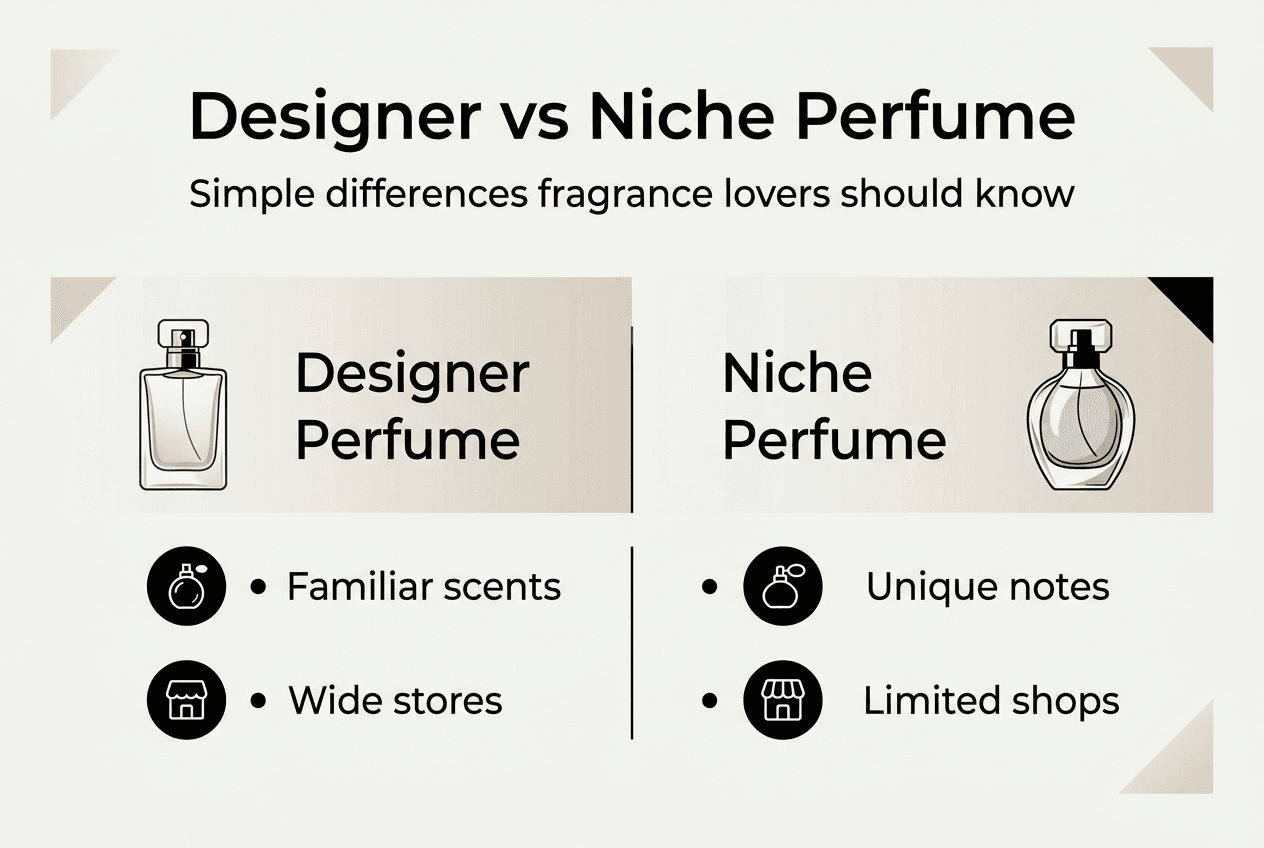
| Aspect | Designer Perfumes | Niche Fragrances |
|---|---|---|
| Scent philosophy | Broad appeal with familiar note combinations | Experimental with unconventional accords |
| Availability | Wide distribution through multiple retail channels | Limited to specialty boutiques and online |
| Price range | $50 to $200 for standard sizes | $150 to $400+ for equivalent volumes |
| Longevity | 4 to 8+ hours depending on concentration | 6 to 12+ hours with typically higher concentrations |
| Ingredient sourcing | Quality materials balanced with production scale | Often features rare or expensive raw materials |
| Marketing focus | Celebrity endorsements and lifestyle branding | Perfumer artistry and ingredient storytelling |
Pro Tip: Test both designer and niche options on your skin before judging performance. Skin chemistry dramatically affects how fragrances develop and last, meaning a designer perfume might outperform a niche alternative on your particular skin type.
Understanding niche vs designer fragrance quality helps set realistic expectations. Designer perfumes excel at delivering reliable, pleasant scents that work across situations without requiring extensive fragrance knowledge to appreciate. Niche fragrances reward those seeking unique olfactory experiences willing to invest more time and money in discovery. Many fragrance enthusiasts maintain collections spanning both categories, selecting based on mood, occasion, and desired impression.
Sampling designer perfumes: how to discover your signature scent
Sampling transforms fragrance discovery from expensive guesswork into strategic exploration. Full bottles of designer perfumes cost $75 to $150 on average, making blind purchases risky when scents might not suit your preferences or skin chemistry. High-quality samples allow you to test fragrances in real-world conditions over multiple days, revealing how they develop and whether they deserve space in your collection.
Several sampling approaches suit different discovery styles and budgets. Sample sets curated by retailers or brands offer themed collections around seasons, scent families, or new releases, providing structured exploration at lower cost than individual purchases. Decants, which are portions transferred from full bottles into smaller containers, give you enough product for week-long testing. In-store testers remain valuable for initial impressions, though skin testing at home reveals true performance. Online subscription boxes deliver curated samples monthly, introducing you to designer perfume recommendations you might not discover independently.
Strategic sampling maximizes value and accelerates finding your signature scent:
- Identify your preferred scent families by testing broad categories like floral, woody, fresh, or oriental to understand which resonates most strongly with your taste.
- Research specific designer perfumes within those families, reading reviews and noting common descriptors to build a testing shortlist of candidates.
- Order samples of your top choices, limiting initial orders to three or four fragrances to avoid overwhelming your nose and making meaningful comparisons difficult.
- Test each sample on skin rather than paper strips, applying to pulse points and observing development over six to eight hours in normal daily activities.
- Track your reactions in a fragrance journal, noting first impressions, mid-development changes, longevity, and whether you received compliments or felt confident wearing the scent.
- Revisit favorites multiple times across different seasons and occasions before committing to full bottles, as context significantly affects fragrance perception.
- Store samples properly in cool, dark places away from direct sunlight and temperature fluctuations to preserve scent integrity and extend usability.
This methodical approach prevents the common mistake of purchasing full bottles based on fleeting first impressions that do not survive real-world wear. Samples cost a fraction of full bottles while providing enough product to make informed decisions. You might discover that a hyped designer release smells amazing in-store but turns cloying on your skin after two hours, or that an overlooked classic becomes your daily signature after proper testing.
Explore high-quality designer perfume samples at Be Frsh
Now that you understand what makes designer perfumes appealing and how sampling supports smart discovery, consider exploring authentic fragrance samples through trusted platforms. Be Frsh specializes in providing high-quality samples of designer and niche perfumes, allowing you to test scents before investing in full bottles. The platform offers convenient online browsing of curated collections, detailed scent descriptions, and fast delivery that makes building your fragrance knowledge straightforward and enjoyable.
Whether you are exploring your first designer perfumes or expanding an established collection, sampling through Be Frsh reduces financial risk while increasing the likelihood of finding scents that truly resonate with your personal style and chemistry. Browse the collection today to discover which designer fragrances deserve a place in your rotation.
FAQ
Are designer perfumes suitable for those who want unique scents?
Designer perfumes focus on broad appeal, which means they prioritize scents that resonate with large audiences rather than pushing creative boundaries. However, many designer houses release limited editions, exclusive boutique offerings, and reformulations that provide distinctive variations within accessible frameworks. If uniqueness means wearing something few others own, niche fragrances better serve that goal. If it means finding a designer scent that feels personally meaningful and works exceptionally well with your skin chemistry, designer options absolutely deliver.
How long do designer perfumes usually last compared to niche fragrances?
Longevity varies widely across both categories, with some designer fragrances matching or exceeding niche performance depending on concentration and formulation. Eau de parfum concentrations from designer houses often last six to eight hours with moderate projection, while parfum versions can extend beyond ten hours. Performance depends heavily on ingredients, concentration levels, and individual skin chemistry rather than simply whether a fragrance comes from a designer or niche house. Testing on your skin remains the only reliable way to assess how long a specific perfume lasts for you.
What are the best ways to test designer perfumes before buying?
The most effective testing method involves trying samples or decants on your skin over multiple days, allowing you to experience how fragrances develop through top, heart, and base notes in real conditions. Visit authorized retailers to smell testers and get initial impressions, but avoid making purchase decisions based solely on paper strips or brief counter experiences. Consider online sample subscription services or dedicated sample retailers for convenient access to multiple options. Apply samples to pulse points, wear them through normal activities, and note how they perform across different temperatures and settings before committing to full bottles.
Where can I find authentic designer perfume samples in 2026?
Authentic samples are available through official brand websites, authorized department store counters, specialty fragrance retailers, and dedicated sample platforms that source directly from verified distributors. Be cautious of marketplace sellers offering suspiciously cheap samples, as counterfeit fragrances remain common online. Reputable sample services provide detailed sourcing information and guarantee authenticity. Many designer brands also include sample vials with online purchases or offer discovery sets featuring multiple fragrances from their collections at accessible prices.