

The 3200-Year History of Perfumes: From Ancient Techniques to Modern

Many think perfumes are a modern invention, but the reality is much more interesting. Fragrances date back over 3200 years to Mesopotamia, where the first chemical extraction methods were developed. By understanding the history of perfumes, you can appreciate scents more deeply and make more informed choices. This guide covers everything from ancient methods to modern industry, reveals cultural significances, and helps you better understand the world of perfumes.
Table of Contents
- Key Learnings from the History of Perfumes
- Ancient Perfume Production Methods and Ingredients
- Islamic Culture and Breakthroughs in Perfume Technology
- The Birth and Development of the European Perfume Industry
- Significant Innovations and Trends in the Modern Perfume Industry
- Cultural and Religious Uses Through Different Eras
- The History of Perfumes and the Impact of Scent Choice in Today’s Market
- Discover Your Perfect Scent Through History – be frsh
- Frequently Asked Questions About the History of Perfumes
Key Learnings from the History of Perfumes
| Point | Details |
|---|---|
| Ancient Origins | Mesopotamians developed perfume extraction methods around 1200 BCE, using solvents to produce aromatic oils. |
| Islamic Breakthrough | Avicenna's development of steam distillation in the 8th century revolutionized perfume production and is still in use today. |
| European Industry | By the late 1800s, Grasse and Paris produced 80% of the world's perfumes, democratizing scents. |
| Modern Innovations | Synthetic ingredients in the 1900s expanded creativity and made perfumes longer-lasting. |
| Historical Knowledge | Understanding helps identify quality scents and make informed purchasing decisions. |
Ancient Perfume Production Methods and Ingredients
The earliest roots of perfumery are found in Mesopotamia. A Babylonian woman named Tapputi developed aromatic oil extraction methods using solvents around 1200 BCE, marking the first chemical approach to creating perfumes. This was a revolutionary step that distinguished perfumery from merely burning flowers or herbs.
In ancient Egypt, perfumes held profound significance. Perfumes were used in religious rituals and personal hygiene, and they were associated with divinity and social status. Pharaohs' tombs were filled with precious scents, and priests used incense in temples daily.
Early perfumes were primarily made from these natural sources:
- Myrrh and frankincense for religious rituals
- Rose oil and lotus flowers for personal use
- Nard and cedar as status symbols
- Cinnamon and sandalwood for medicinal purposes
These ingredients were hand-picked and processed through lengthy procedures. Oils were extracted with solvents, flowers were steeped in fats, and resins were used to make incense. The methods were laborious, which is why perfumes were only accessible to the wealthy.
Perfumes were not just a luxury in ancient cultures. They were a religious necessity, a medical tool, and a symbol of social status, all in one.
These early techniques laid the foundation for all subsequent perfume development. Understanding these ancient methods allows you to better appreciate the complexity and historical continuity of modern perfumes.
Islamic Culture and Breakthroughs in Perfume Technology
The Golden Age of Islamic culture brought a revolutionary innovation to the perfume industry. Avicenna developed the steam distillation method between the 8th and 13th centuries, and this technique remains the foundation of the perfume industry. Steam distillation enabled the extraction of purer and more potent fragrances than any previous method.
This technological leap occurred systematically:
- Plant material was placed in a still with water
- Steam passed through the plant material, extracting volatile oils
- The steam was condensed, and the oil was separated from the water
- The resulting essential oil was significantly purer than before
Islamic chemists not only developed the method. They meticulously documented processes, created standards, and shared knowledge widely throughout the Islamic world. This scientific approach distinguished them from earlier perfumers.
Islamic culture also expanded the availability of raw materials. Trade routes brought exotic ingredients such as musk from India, ambergris from the oceans, and new floral varieties from Persia. This diversity significantly enriched the perfume palette.
Pro tip: Many classic fragrance notes like rosewater and jasmine oil are still distilled using the same principle as in Avicenna's time. When learning about perfume usage and selection, you'll notice the enduring quality of these traditional ingredients even in modern scents.
Steam distillation was so effective that it quickly spread globally. Europeans learned the technique through Crusaders and merchants, and it formed the basis for the later European perfume industry.
The Birth and Development of the European Perfume Industry
After the Renaissance, Europe began to build its own perfume industry. Grasse in Southern France emerged as the capital of perfumery due to its favorable climate and flower cultivation. The region specialized in producing raw materials, which Parisian perfumers refined into exquisite fragrances.
Industrialization changed everything. By the late 19th century, Grasse and Paris together produced 80% of the world's perfumes, making scents accessible to broader populations. Machines replaced manual labor in many stages, and production volumes dramatically increased.
| Era | Production Method | Availability | Main Fragrances |
|---|---|---|---|
| Renaissance | Craft, small batches | Nobility | Musk-based, strong |
| 18th Century | Semi-industrial | Wealthy | Floral, lighter |
| 19th Century | Industrial | Middle Class | Diverse, more modern |
The use of perfumes spread across different social classes. No longer were they solely the privilege of the aristocracy. Smaller perfume bottles and more affordable production methods made fragrances a part of everyday life.
The European industry also innovated new fragrance types:
- Eau de cologne as a light daily fragrance
- Parfum as a strong evening fragrance
- Eau de toilette as a balanced intermediate option
Grasse's flower fields became the heart of the industry. Thousands of hectares of jasmine, rose, tuberose, and other flowers produced raw materials that were processed in local factories. This concentration created expertise that persists in the region to this day.
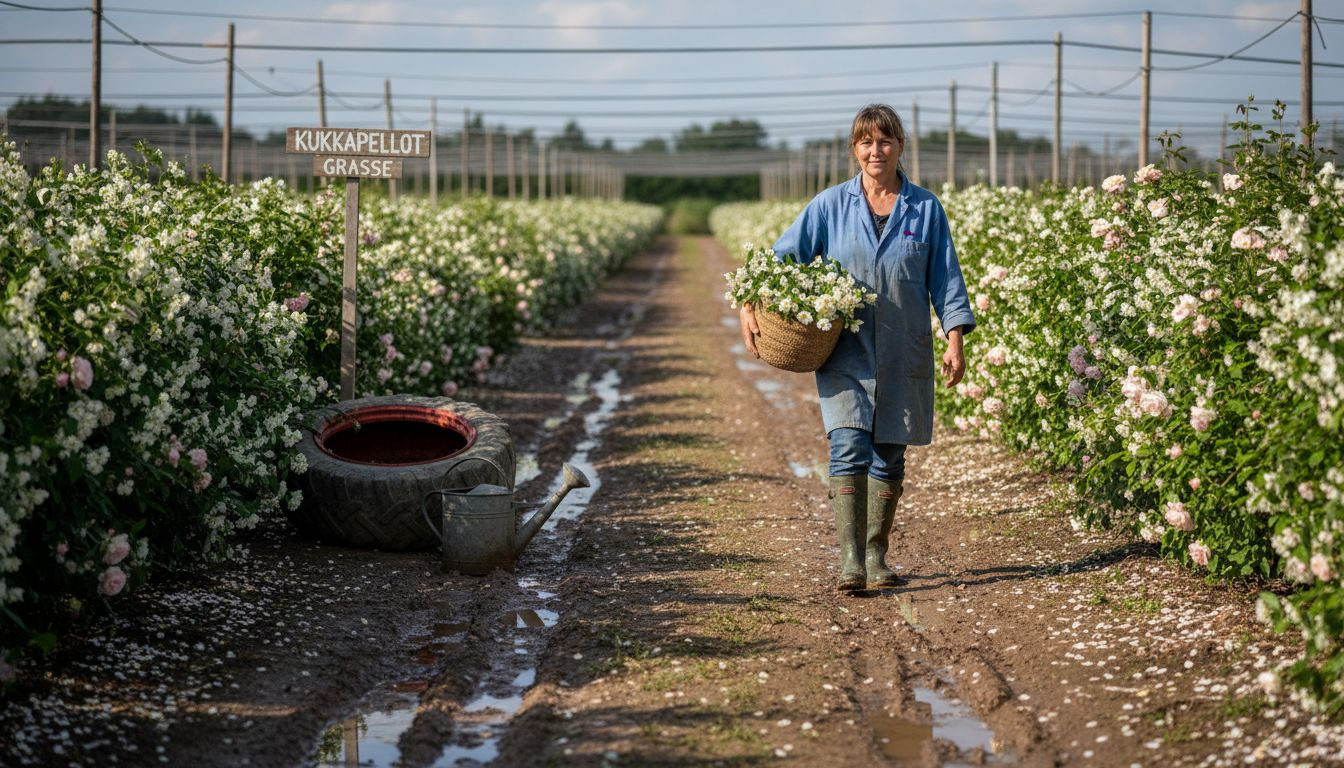
When comparing contemporary perfumes, you'll notice that many classic structures originate from this era. The European tradition shaped the structure of perfumes in a way that is still evident.
Significant Innovations and Trends in the Modern Perfume Industry
The 20th century brought a new revolution to the perfume industry. The development of synthetic fragrance ingredients significantly expanded creativity and accessibility, enabling scents that could not be created with natural products alone. Chemists could now create consistent, long-lasting, and more affordable perfumes.

Coco Chanel No. 5, launched in 1921, changed the perception of perfumes. It was the first major perfume to use synthetic aldehydes to create a unique, modern scent. This made perfumes more commonplace and fashionable for everyday consumers.
Significant advancements continued:
- Synthetic musk replaced animal-derived ingredients
- Isolate technology allowed the isolation of individual scent molecules
- Headspace technology captured scents directly from nature
- Fixatives improving longevity extended the lifespan of perfumes
Industrialization reached its peak in the mid-20th century. Mass-market brands like Avon, Revlon, and Estée Lauder brought perfumes into every home. Perfumes became an essential part of personal style, no longer just a luxury item.
Pro tip: Synthetic ingredients are not inferior to natural ones. Many modern masterpieces are based on a careful combination of synthetic and natural ingredients. When exploring perfume use, you'll often find that synthetic ingredients provide the very longevity and balance you seek.
Today, technology enables almost limitless creative possibilities. Perfumers can combine hundreds of ingredients to create complex, evolving scents. This is far from the simple rose oils of antiquity, yet it respects historical tradition.
Cultural and Religious Uses Through Different Eras
Perfumes have never been solely about aesthetics. They have played a central role in religious and social rituals around the world, increasing their appreciation and diversity. By understanding these cultural layers, you can see the significance of perfumes in a broader context.
In religious rituals, perfumes symbolized purification and a connection to the divine. In ancient Egypt, priests burned incense in temples daily. In Christianity, incense is part of worship in many churches. In Islam, musk fragrances are associated with purity and religious practice.
Social significances were equally important:
- Nobility used expensive perfumes to distinguish themselves from the common people
- In the Middle Ages, perfumes masked unpleasant odors during an era of poor hygiene
- During the Renaissance, scents were associated with romance and the art of seduction
- In the Victorian era, perfumes expressed sophistication and refinement
Different cultures favored different scents. In the Middle East, musk and ambergris were highly valued. In Europe, floral scents, especially rose and violet, predominated. In Asia, sandalwood and jasmine were central.
Historical ingredients still carry these cultural meanings. When you smell a perfume with incense notes, you feel a connection to ancient rituals. A rose-based fragrance hints at European romance. These associations make perfumes more than just pleasant smells.
Modern perfume enthusiasts often appreciate these cultural layers. The choice of a scent reflects not only personal taste but also values and connections to history. This makes exploring perfumes richer and more meaningful.
The History of Perfumes and the Impact of Scent Choice in Today’s Market
A historical understanding changes the way you approach perfumes today. For many consumers, the history of perfumes adds appreciation and leads to more considered purchasing decisions, making the fragrance hobby more profound. You no longer just choose something that "smells good," but you understand the art and tradition of scent construction.
In today's market, historical influences are clearly visible:
- Classic raw materials like rose, jasmine, and sandalwood remain popular
- Niche brands emphasize traditional manufacturing methods
- Consumers seek scents with a story and authenticity
- Sustainability and natural ingredients combine with modern ethics
An informed consumer can combine traditions and modern elements. You might choose a scent that uses steam-distilled rose oil developed in Islamic culture, combined with modern synthetic fixatives. This combination honors history while utilizing current technology.
Historical knowledge also helps identify quality. You understand why certain ingredients are more expensive or why some production methods require more time. This makes you less susceptible to marketing tricks and helps you evaluate products more objectively.
When trying perfumes, you can now ask yourself deeper questions. From which culture does this scent draw inspiration? What traditional techniques were used in its creation? How does it fit my lifestyle and values? These considerations make choosing perfumes more meaningful and enjoyable.
Discover Your Perfect Scent Through History – Be Frsh
Now that you understand the rich history of perfumes, it's time to apply this knowledge in practice. Be Frsh offers a comprehensive selection of fragrance samples, allowing you to explore historical and modern scents without a major commitment.
Our samples cover fragrances that represent influences from different eras. From classic floral scents to modern niche creations, you'll find fragrances that resonate with your knowledge of history. Each sample is an opportunity to experience what you've just read about.
Our guides will further assist you. How to Compare Perfumes guides you in systematically evaluating scents. The Perfume Sample Usage Guide ensures you get the best possible experience from each sample.
Take a step towards a more conscious perfume hobby. Your historical understanding combined with practical experimentation with Be Frsh samples will lead to that perfect scent that speaks to both your nose and your mind.
Frequently Asked Questions About the History of Perfumes
What was steam distillation and why is it important in the history of perfumes?
Steam distillation is a method where steam passes through plant material, extracting volatile oils, which are then condensed and separated. Avicenna developed this technique in the 8th century, and it revolutionized perfume production by enabling the creation of purer and more potent fragrances. The method is still the foundation of the perfume industry, demonstrating its significance.
How do ancient cultures influence current perfume scents?
Ancient cultures developed the basic raw materials and techniques still used today. The Egyptians favored myrrh and frankincense, the Persians rose and jasmine, and these ingredients remain popular even in modern perfumes. Cultural associations make these scents more meaningful than mere olfactory sensations.
Why does historical knowledge help make better perfume choices?
By understanding the history of perfumes, you can appreciate quality ingredients and traditional methods. You recognize which scents are timeless and why certain ingredients are valued. This makes you less susceptible to marketing gimmicks and helps you choose fragrances that truly resonate with your values.
When did perfumes become accessible to ordinary people?
By the end of the 19th century, industrialization transformed perfumes into a mass-market product. With Grasse and Paris producing 80% of the world's perfumes, production volumes increased, and prices dropped significantly. In the 20th century, synthetic ingredients made perfumes even more affordable, making them accessible to everyone.
Are natural perfumes better than synthetic ones?
Not necessarily. Synthetic ingredients enable longer-lasting, more consistent, and often more durable fragrances than natural ingredients alone. The best modern perfumes combine both, creating balanced, complex scents. Quality depends more on the perfumer's skill and the purity of the ingredients than on whether they are natural or synthetic.
What are the most important historical perfume ingredients?
Rose, jasmine, and sandalwood have remained popular for thousands of years across different cultures. Musk and amber were historically highly valued but are now often replaced by synthetic alternatives for ethical reasons. Frankincense and myrrh continue to maintain their religious and cultural significance in many fragrances.
Leave a comment