

How to Use Perfume Sets - Test Fragrances the Right Way

Finding the right scent can feel impossible when you can't try perfume before buying it. Perfume sets offer a solution to this problem: they allow you to test several scents in small doses without significant financial risk. This guide shows you how to use perfume sets effectively and avoid common mistakes that can distort your scent experience. You'll learn how to properly test scents on your skin, understand the stages of fragrance development, and get practical tips for finding the perfect perfume for you.
Table of Contents
- Key Learnings
- What You Need Before Use
- Using Perfume Sets on Skin and Scent Strips
- Common Mistakes and Tips for Successful Testing
- Fragrance Development and Layering in Perfume Sets
- Explore Our Wide Selection of Perfume Sets
- Frequently Asked Questions About Using Perfume Sets
Key Takeaways
| Point | Details |
|---|---|
| Moisturize skin before testing | Moisturize skin before testing for more even fragrance development. |
| Do not rub the skin | Do not rub the skin, as rubbing changes the fragrance molecules and distorts the experience. |
| Limit the number of scents | Test a maximum of three or four scents at a time to avoid nose overload. |
| Scent reset with coffee beans | Reset your sense of smell with coffee beans for a few seconds before the next scent. |
What You Need Before Use
The condition and preparation of your skin significantly affect how a fragrance develops and lasts on your skin. Moisturize your skin before testing to ensure longer longevity. Dry skin absorbs fragrance more quickly, causing the perfume to evaporate too soon, and you won't get a true picture of its staying power. Moisturized skin acts as a smooth canvas, allowing the fragrance notes to emerge in a balanced way.
Choose your testing time carefully. Avoid testing immediately after a meal or in an environment with strong odors such as cigarette smoke or strong food smells. These interfere with your nose's ability to distinguish the finest nuances of a scent. The best time for testing is in the morning or early afternoon when your sense of smell is most alert.
Scent reset is an essential tool when testing several fragrances in a row. Coffee beans are the most effective way to reset your sense of smell between fragrances. Smell coffee beans for a few seconds before moving on to the next scent. This cleanses the olfactory receptors and prevents scents from mixing.
Gather these materials before starting your testing:
- Perfume set with your chosen scents
- Scent strips for comparing fragrances
- Water bottle for moisturizing skin
- Coffee beans for scent reset
- Note-taking tools for recording observations
Test fragrances on warm skin areas with good blood circulation. The best spots are wrists, behind the ears, inner elbows, and the sides of the neck. These areas naturally warm the fragrance and help it develop. Heat gradually releases fragrance molecules, allowing you to experience all the layers of the scent.
Pro tip: Write down the name of each fragrance and the testing time. Return to the fragrance after 30 minutes, an hour, and three hours. This helps you understand how the fragrance truly behaves on your skin throughout the day. Many make the mistake of evaluating a fragrance based only on the first 10 minutes.
Also, check out our perfume selection guide, which helps you identify your scent preferences. Knowing what scent profiles you're looking for makes testing much more efficient and helps you find your favorites faster.
Using Perfume Sets on Skin and Scent Strips
Correct spraying technique is fundamental for successful fragrance testing. Spray 1-2 spritzes onto your chosen skin area from a distance of about 15-20 centimeters. This distance ensures even distribution without applying too much fragrance to one spot. Do not rub your skin, as this breaks down the fragrance molecules and alters the scent. Allow the fragrance to dry naturally on your skin.
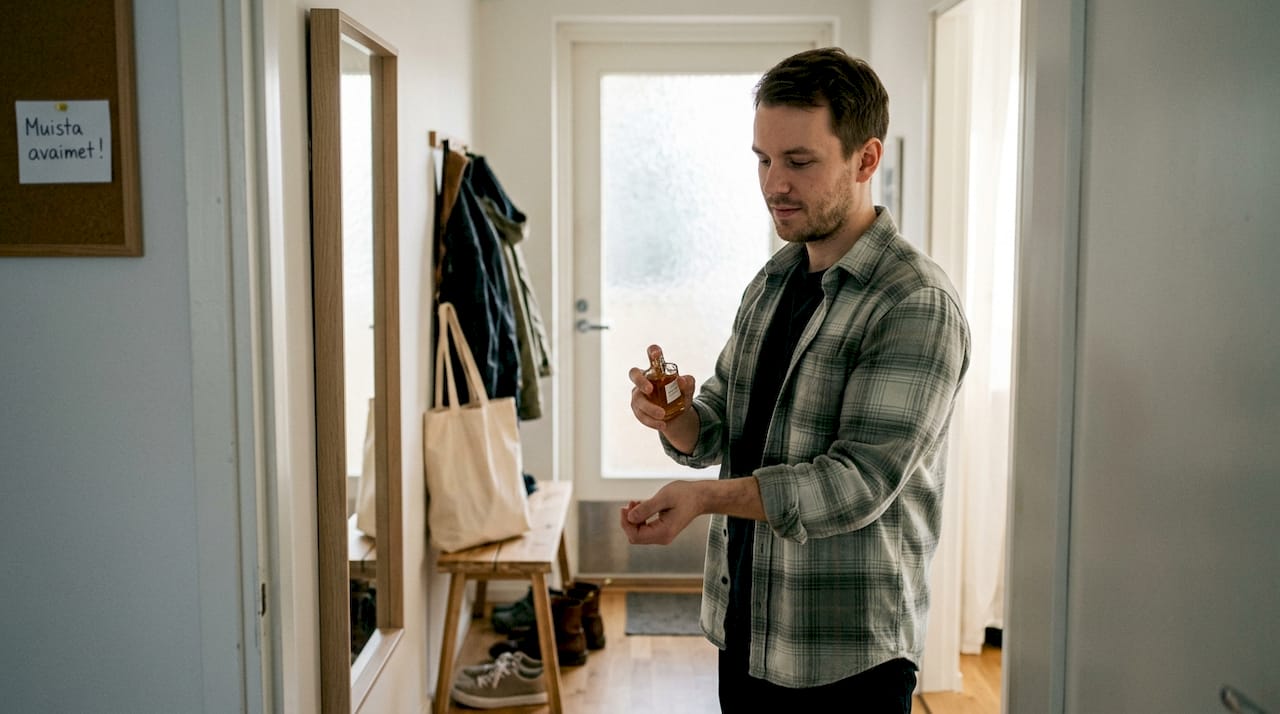
Scent strips are an excellent tool when you want to quickly compare several fragrances without overloading your skin. Spray one spritz onto the strip and wave it in the air for a few seconds. This activates the scent and gives you a first impression of its character. Hold the strip about 5 centimeters from your nose when smelling.
Compare fragrances systematically. Test several fragrances side-by-side on scent strips or wrists, but avoid more than 3-4 simultaneously to prevent nose overload. When testing four fragrances, place two on the left wrist and two on the right, leaving enough space between them. Note in your mind or on paper which fragrance is in which spot.
Here's how to test fragrances step-by-step:
- Start with lighter fragrances and progress to stronger ones. Citrus and floral scents first, woody and musky last.
- Spray the first fragrance on your wrist and smell immediately. Jot down your first impressions.
- Wait 10 minutes and smell again. You'll notice how the fragrance has changed and softened.
- Use coffee beans to reset your sense of smell before moving on to the next fragrance.
- Repeat the process for each fragrance and return to them every 30 minutes.
Fragrance development takes time. The first 5 minutes only show the superficial top notes, which are often the strongest but shortest-lived. The true heart of the fragrance reveals itself after 10-30 minutes, and this phase tells you the most about how the fragrance truly suits you. Base notes only emerge after several hours and indicate the longevity of the scent.
Pro tip: Take a photo of your wrists showing the locations of the different fragrances. When testing multiple fragrances, it's easy to forget which fragrance was where. The photo allows you to quickly check what you just smelled.
Those with sensitive skin should test fragrances on scent strips first. If the fragrance feels pleasant on paper, you can move on to cautious skin testing on a small area. Read about evaluating perfumes for more tips on systematically comparing fragrances and finding your favorite.
Common Mistakes and Tips for Successful Testing
Spraying too much is the most common mistake when testing fragrances. One or two spritzes are perfectly sufficient to give you a true impression of the scent. When you spray too much, your nose gets overloaded, and you can't distinguish the nuances of the fragrance. Additionally, too much can cause headaches and nausea, ruining the entire testing experience.
Testing multiple fragrances simultaneously without sufficient breaks leads to olfactory fatigue. Your nose's receptors quickly become saturated when bombarded with different fragrance molecules. Do not rub the fragrance, as it destroys the fragrance molecules. This mechanical action heats the skin too much and breaks down the fragrance structure, giving you a false impression of how the fragrance truly develops.
Avoid these common pitfalls:
- Testing immediately after showering with strong soaps or shampoos
- Evaluating a fragrance immediately after spraying without allowing time for development
- Testing the same fragrance multiple times on the same day
- Testing in a cold environment, which slows down fragrance development
- Storing scent strips in the same bag, causing scents to mix
Sensitive skin may benefit from testing on clothes or hair. Alcohol in perfumes can irritate sensitive skin, but clothes and hair offer an alternative testing spot. Spray the fragrance on the ends of your hair or the underside of a scarf. Hair, in particular, retains fragrance for a long time and gives a good idea of its development.
Rushing is the worst enemy of fragrance evaluation. Many make a purchase decision based on the first minute, even though the fragrance changes dramatically over the next few hours. Give yourself time to experience all stages of the fragrance before making a final assessment.
"The best way to test a perfume is to wear it all day. Only then do you see how it truly behaves on your skin and how your surroundings react to it."
Cleanse your nose regularly during testing sessions. In addition to coffee, you can smell your own skin or a scent-free fabric. These neutral scents help reset your sense of smell. Check out men's perfume tips for more practical advice on testing and using fragrances.
Fragrance Development and Layering in Perfume Sets
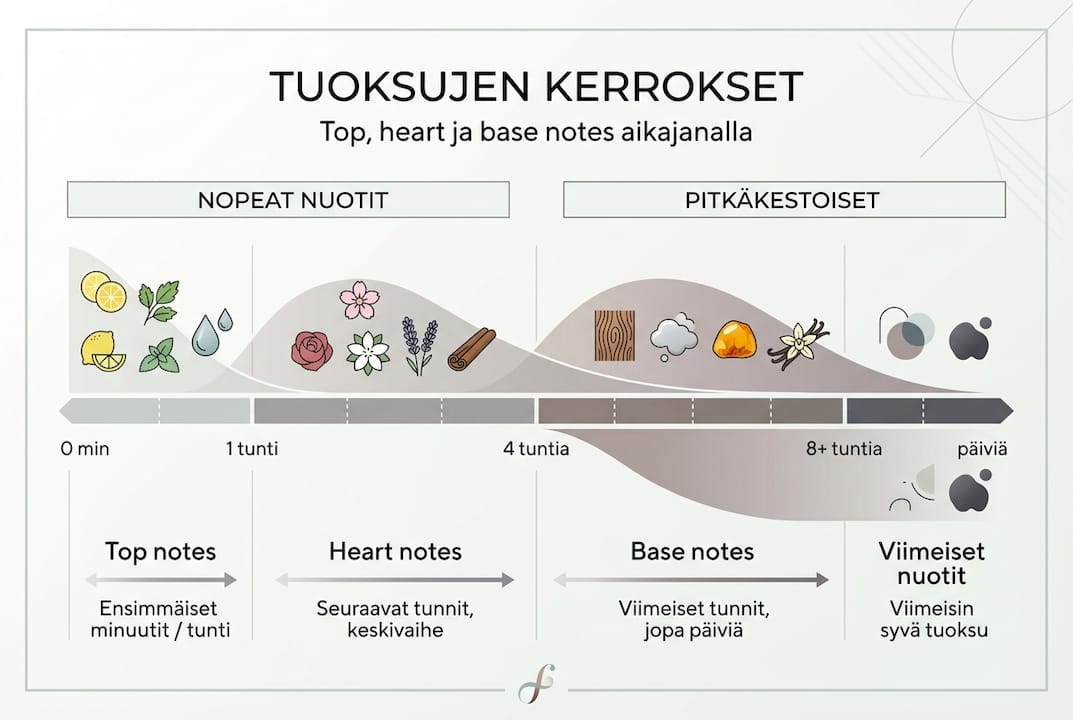
Every fragrance is built on three distinct layers that reveal themselves at different times. The scent changes in stages: top notes evaporate quickly, heart notes last 1-2 hours, and base notes last the longest. This structure is intentionally designed to create a dynamic scent experience that develops on your skin throughout the day.
Top notes are the first impression you get of a fragrance. They are usually light, bright, and volatile ingredients such as citrus, herbs, or light floral scents. These notes only last 5-15 minutes, but they are critically important because they determine whether you want to keep smelling the fragrance.
Heart notes form the heart and personality of the fragrance. They emerge after 10-30 minutes and last for several hours. In this layer, you see the true character of the fragrance: is it floral, spicy, fruity, or woody? Heart notes are the most important part of the evaluation because they represent what you will smell for most of the day.
Base notes are the foundation of the fragrance and the most lasting part. They consist of heavy molecules such as musk, vanilla, cedar, or sandalwood. These notes only fully emerge after several hours and can last for 6-8 hours or even longer. Base notes determine the longevity of the fragrance and whether a pleasant scent remains on your skin at the end of the day.
| Note Layer | Duration | Typical Ingredients | Purpose |
|---|---|---|---|
| Top notes | 5-15 min | Citrus, mint, lavender | First impression and allure |
| Heart notes | 1-4 h | Rose, jasmine, spices | Main character and identity of the fragrance |
| Base notes | 4-8+ h | Musk, vanilla, wood | Longevity and depth |
Layering within a set allows for the creation of a powerful and unique scent. This technique involves combining two or more fragrances on the same skin to create a completely new scent experience. Perfume sets are ideal for this experimentation because you can test various combinations without committing to buying full-sized bottles.
Start layering with simple combinations:
- Combine a light floral scent with a woody base to create a balanced ensemble
- Add a citrus scent to a spicy fragrance to create a refreshing contrast
- Mix two floral scents for a more complex floral profile
- Combine a vanilla-based fragrance with fruity top notes for a sweet and refreshing combination
The rule of layering is to start with the heavier fragrance as the base. First, spray a fragrance with strong base notes such as musk or cedar. Let it dry for 30 seconds. Then, add a lighter fragrance on top. This order ensures that both fragrances develop correctly and do not cancel each other out.
Pro tip: Keep a fragrance diary where you record successful layering combinations. Note down which fragrances you used, in what order, and what the result smelled like at different times. This helps you develop your own signature combinations.
Mini sets are ideal for experimenting with layering. They provide enough product for multiple testing sessions without a large investment. You can boldly try different combinations and find the pairs that truly resonate with you. Explore our guide to finding the best perfume to get more information on how to find the most suitable fragrances for layering.
Explore Our Wide Selection of Perfume Sets
Now that you master the basics of using perfume sets, it's time to put what you've learned into practice. Be Frsh offers a wide selection of perfume sets from all the most popular and niche fragrances. You can test the latest releases, classic favorites, and exclusive scents in small packages before committing to a full-sized bottle.
In our selection, you'll find sets for every occasion: light daytime scents, strong evening perfumes, refreshing summer fragrances, and warm winter favorites. Each set contains enough product for multiple testing sessions, so you'll have time to truly get to know the fragrance and how it develops on your skin. You'll also receive expert guidance and tips for finding the perfect scent for your skin and personality. Visit Be Frsh's online service and start your fragrance journey today.
Frequently Asked Questions About Using Perfume Sets
How many fragrances can I test at once?
Test a maximum of 3-4 fragrances at a time. Your nose quickly gets fatigued when exposed to too many scents simultaneously. This leads to olfactory fatigue, where you can no longer distinguish differences between scents. Use coffee beans to reset your nose between each fragrance.
How can I ensure the longevity of a fragrance on my skin?
Moisturize your skin before applying the fragrance, as moist skin retains scent longer. Apply the fragrance to warm skin areas like wrists and the sides of your neck, where blood circulation is active. Avoid rubbing, as it breaks down fragrance molecules. Test the longevity of the fragrance for several hours to see how the base notes develop.
Can I use a perfume set on sensitive skin?
Yes, but test on a small area first. If your skin is particularly sensitive, spray the fragrance on clothes or the ends of your hair instead of a scent strip. These options give you a good idea of the scent without direct skin contact. Choose alcohol-free or natural options if alcohol irritates your skin.
Why might a fragrance change on the skin?
Your skin's pH, moisture, and temperature affect how a fragrance develops. Everyone's skin is different, so the same fragrance can smell different on different people. Diet, hormones, and medication can also alter the scent. This is the main reason to always test fragrances on your own skin before making a purchase decision.
How long do fragrances last in a set?
Properly stored perfume sets last 2-3 years. Store them in a cool, dark place away from direct sunlight. Temperature fluctuations and light break down fragrance molecules and degrade the quality of the scent. Always close caps tightly after use to prevent air entry, as oxidation changes the fragrance.
When is the best time to test perfumes?
Morning or early afternoon is the best time, as your sense of smell is most alert. Avoid testing immediately after a meal or when you are sick, as these affect your sense of smell. Test fragrances at different times of the day to see how they develop and suit different situations. Also, consider the season, as warm scents are better suited for winter and refreshing ones for summer.
Recommendation
- Perfume Sample Guide – Find Your Perfect Scent – Be Frsh
- Perfume Set Selection Guide 2026 – the perfect fragrance – Be Frsh
- Perfume testing at home steps for the perfect result – Pure Parfum
Transparency: this article was written with AI assistance and reviewed before publishing. Illustrations may be AI-generated.
Leave a comment