

Seasonal Perfume Tips 2026 – Find the Right Scent

The change of seasons brings challenges to perfume selection, as temperature and humidity significantly affect how a scent diffuses and lasts on the skin. Finding the right fragrance for each season is not a matter of chance, but is based on an understanding of how different scent profiles perform in varying conditions. This article offers practical tips and expert recommendations to help you find the perfect scent for every season in 2026. You will also learn how to effectively test new perfumes before making a purchase, saving money and reducing the risk of disappointment.
Table of Contents
- Criteria for Choosing Seasonal Perfumes
- Best Perfume Options for Spring and Summer
- Best Scents for Autumn and Winter
- Preparing for Fragrance Allergies and Testing Tips
- Explore Befrsh's Selection
- Frequently Asked Questions on Seasonal Perfume Tips
Key Learnings
| Point | Details |
|---|---|
| Warm and spicy scents for winter | Cool air carries heavy scents better and longer. |
| Light citrus and floral scents for summer | In hot weather, heavy scents can feel too strong. |
| Samples reduce waste | Testing small samples helps avoid expensive impulse purchases. |
| Sensitive skin requires caution | Always test new scents on a small area before widespread use. |
Criteria for Choosing Seasonal Perfumes
Temperature is the most important factor determining how a perfume performs in different seasons. Warm weather accelerates the evaporation of scent molecules from the skin, making heavy and sweet scents easily too strong or even overwhelming. In summer, light, fresh citrus or sea breeze-scented fragrances work better because they do not overload the senses. In winter, the situation is reversed: cool air slows evaporation, so warm and spicy scents come into their own and offer a longer-lasting fragrance experience.
The longevity of a scent also depends on its concentration. Eau de Toilette is suitable for daytime use and offers a lighter fragrance experience, while Eau de Parfum lasts longer and is suitable for evening wear or special occasions. Choose the concentration based on how long you want the scent to last and how strong you want it to be. Test the longevity of the scent on your own skin, as everyone's skin reacts differently to perfume. Skin type, oiliness, pH level, and even diet affect how a scent develops and lasts.
Layer perfume over a neutral moisturizer to help the scent adhere better to the skin and last longer. This technique is especially helpful during the dry winter season when the skin needs extra moisture. Avoid using scented lotions under perfume, as they can mix and alter the original scent profile. Apply perfume to pulse points, such as wrists, sides of the neck, and inside the elbows, where blood vessels are close to the skin surface and warmth helps the scent diffuse.
Professional tip: Store perfumes in a cool, dark place, such as a dresser or closet, to keep their composition stable. Avoid the bathroom, as humidity and temperature fluctuations can degrade the quality of the scent over time. For more practical advice on using perfumes, see 7 best men's perfume tips for young adults.
Best Perfume Options for Spring and Summer
Light citrus fruits, such as grapefruit, lemon, and bergamot, create fresh and energetic scent experiences that are perfect for warm days. Fruity notes, such as strawberry, watermelon, and peach, add sweetness without a heavy feel. Coconut and tropical scents evoke images of holidays and sunshine, making them popular summer choices. Gin tonic-inspired scents combine the freshness of citrus with the spiciness of herbs, offering a modern and summery alternative to traditional floral fragrances.
Eau de Toilette lasts 3-5 hours, making it ideal for daytime use and summer months when you don't want too strong a scent. Eau de Parfum offers 6-8 hours of longevity and is better suited for evening wear or special occasions when you want the scent to last longer. Summer examples include a citrusy GNtonic scent, a coconut Le Beau scent, and strawberry or grapefruit scents, all of which offer a refreshing change for hot days.
| Scent | Main Notes | Longevity | Best Occasion |
|---|---|---|---|
| Citrusy GNtonic | Grapefruit, juniper, tonic | 4-5 hours | Daytime, leisure |
| Coconut Le Beau | Coconut, tonka, vanilla | 5-6 hours | Beach, summer parties |
| Strawberry Scent | Strawberry, raspberry, vanilla | 3-4 hours | Daytime, casual |
| Grapefruit Scent | Grapefruit, bergamot, cedar | 4-5 hours | Morning, office |
On hot days, scent evaporates faster, so you may need to reapply perfume during the day. Keep a small sample bottle in your bag or on your desk so you can refresh your scent as needed. Avoid applying too much at once, as heat naturally intensifies the scent. Two or three sprays are sufficient in most situations.
Professional tip: Apply perfume to your hair or clothes for a light scent trail. Hair retains scent longer than skin, but make sure the perfume does not contain alcohol, which can dry out hair. For a better understanding of how different scent profiles suit different needs, see men's and women's perfume differences guide 2026.
Best Scents for Autumn and Winter
Warm vanilla, amber, and musk scents create a cozy and inviting atmosphere, perfect for cool autumn evenings and winter days. Spices such as cinnamon, clove, and cardamom add depth and complexity to the scent, making it more interesting and longer-lasting. Woody notes, such as sandalwood, cedar, and vetiver, provide a masculine and earthy base that works well in cold weather. Cool air carries warm and spicy scents better, as evaporation is slower and the scent diffuses more evenly into the environment.
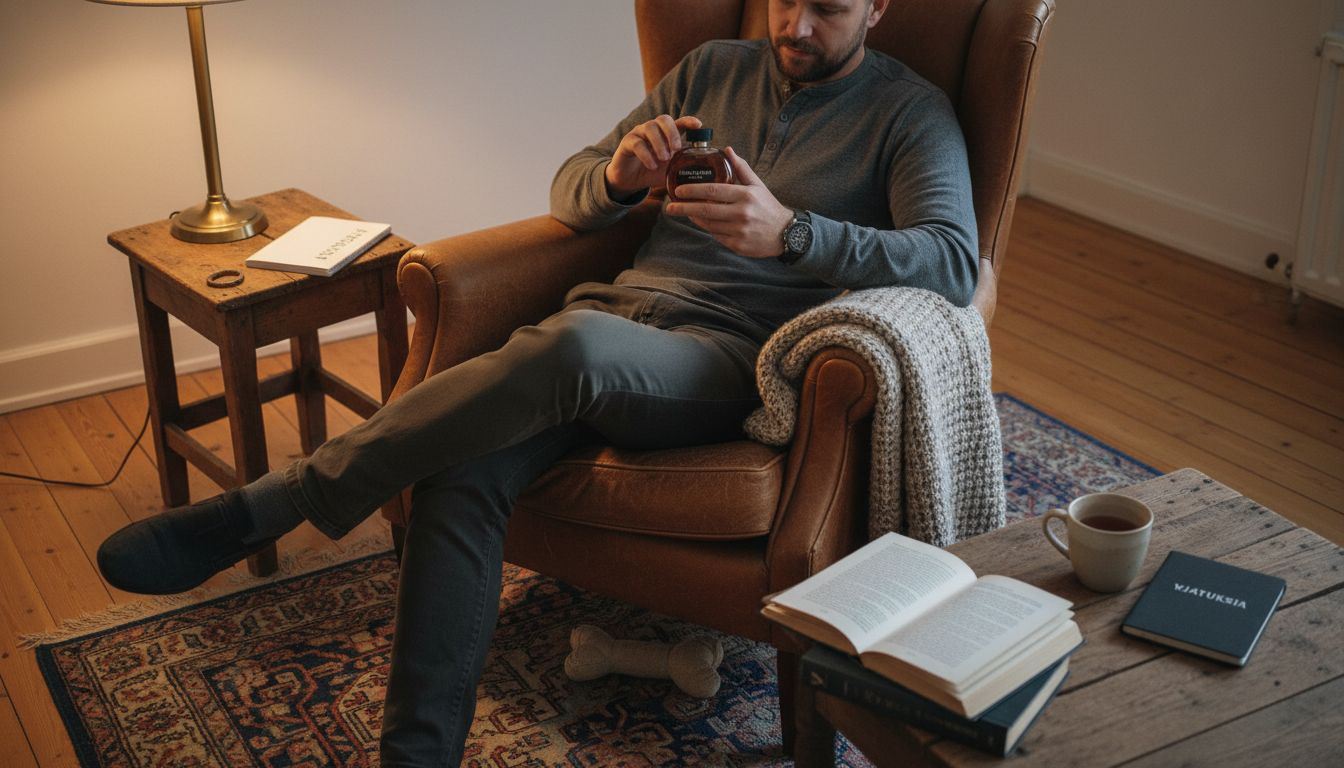
Heavy scents, which feel too strong in summer, come into their own in winter. Oriental fragrances, which combine spices, resins, and sweet notes, create a luxurious and warm atmosphere. Gourmand scents, reminiscent of pastries, chocolate, or caramel, offer a delightful and comforting fragrance experience during the dark season. These scents not only last longer but also develop more interestingly on the skin when the temperature is lower.
| Scent | Temperature | Spiciness | Versatility |
|---|---|---|---|
| Vanilla Scent | Very warm | Medium | Day and night |
| Cinnamon-Clove Scent | Warm | High | Evening, parties |
| Sandalwood Scent | Medium | Low | Office, day |
| Amber-Musk Scent | Warm | Medium | Evening, winter |
Layer perfume over a moisturizer to enhance its longevity in cold weather when the skin is drier. Dry skin does not hold scent as well as moisturized skin, so this step is especially important during the winter months. Apply perfume immediately after showering, when the skin is still slightly damp, as moisture helps the scent adhere better. Avoid rubbing your wrists together after application, as this can break down scent molecules and shorten the scent's longevity.
Professional tip: Store winter fragrances separately from summer fragrances so you can easily switch between them according to the seasons. This also helps you track which scents work best in which conditions. For more ideas on cold season fragrances, see winter fragrances 2025.
Preparing for Fragrance Allergies and Testing Tips
Fragrance sensitivity affects 10-40 percent of people, making careful testing essential before introducing a new perfume. Common symptoms include rash, redness, itching, and respiratory symptoms, which can appear immediately or a few hours after exposure. Avoid products that contain known irritants, such as certain synthetic musks or aldehydes, if you know you are sensitive to them. Always read the product description carefully and, if necessary, ask a pharmacist or salesperson for more information on the ingredients.
Using small perfume samples is a smart way to test new fragrances without major investment. Samples allow you to try a scent for several days and in different conditions to see how it develops on your skin and if it suits your lifestyle. Test new scents in small sizes before buying a full-sized bottle, which saves money and reduces the risk of disappointment. Layer perfume over a neutral moisturizer to make it last longer without having to reapply it too often.
Perform a patch test before widespread use if you have previously had reactions to fragrances. Apply a small amount of perfume to the inside of your forearm and wait 24 hours to see if any reactions occur. If the skin is red, itchy, or swollen, do not use the product. Introduce only one new scent at a time so you can easily identify which product causes a possible reaction. Keep a diary of tested scents and their effects, which will help you identify patterns and avoid problematic ingredients in the future.
Professional tip: If you have very sensitive skin, consider applying perfumes to clothing instead of skin. This reduces direct skin contact and lowers the risk of irritation. Test on a small area first to ensure the perfume does not stain the fabric. To understand why samples are the best way to safely find the perfect scent, see benefits of perfume samples.
Explore Befrsh's Selection
Are you ready to find the perfect scent for every season? Befrsh offers a wide range of seasonal fragrances and samples to help you safely test new perfumes before making larger investments. With samples, you can try several different scents on a small budget and find the options that suit you best, without waste or disappointment.
From our online store, you can easily order your favorite scents home with fast delivery. Also, explore the benefits of perfume samples, which make trying scents effortless and economical. Discover the latest trends, seasonal recommendations, and exclusive fragrances that suit your style and needs in 2026.
Frequently Asked Questions on Seasonal Perfume Tips
Which scents are best for sensitive skin?
Choose perfumes that contain as few synthetic additives and known irritants as possible. Natural, hypoallergenic fragrances or products labeled as suitable for sensitive skin are safer options. Always test a new scent on a small skin area before widespread use.
How often should I reapply perfume in summer?
In summer, perfume evaporates faster due to heat, so you may need to reapply it every 3-5 hours. Keep a small sample bottle with you so you can refresh the scent during the day if needed. However, avoid applying too much at once, as heat naturally intensifies the scent.
Can I use the same perfume all year round?
You can use the same perfume all year round, but the scent may feel different in different seasons due to variations in temperature and humidity. Many people own several perfumes and switch them according to the seasons to get the best possible fragrance experience. Light scents work better in summer, and warm scents in winter.
How do I store perfumes to keep them fresh?
Store perfumes in a cool, dark place, such as a dresser or closet, away from direct sunlight and temperature fluctuations. Avoid the bathroom, as humidity and heat can degrade the quality of the scent. Keep bottles tightly sealed after use to prevent evaporation and oxidation, which can alter the scent's composition over time.
Recommendation
Transparency: this article was written with AI assistance and reviewed before publishing. Illustrations may be AI-generated.
Leave a comment