

What is vegan perfume? A guide to vegan fragrances 2026

Many consumers mistakenly believe that cruelty-free automatically means vegan perfume. In reality, these two concepts differ significantly. Vegan fragrances avoid both animal-derived ingredients and animal testing, while cruelty-free products can still contain animal-derived raw materials. In this guide, you will learn what true vegan perfumes are, how they are made, and why they are a growing trend in the fragrance market in 2026. You will also get practical tips on choosing and identifying vegan perfumes.
Table of Contents
- What distinguishes vegan perfumes from other fragrances?
- How are vegan perfumes made and what are the most common raw materials?
- Vegan fragrance certification and supply chain challenges
- Why choose vegan perfume? Market trends and consumer benefits
- Explore vegan perfume products
- What is vegan perfume? Frequently asked questions
Key Learnings
| Point | Information |
|---|---|
| Cruelty-free vs. vegan | Cruelty-free does not guarantee the absence of animal-derived ingredients, only no animal testing |
| Ingredients in vegan perfumes | Use plant-based or synthetic ingredients to replace traditional animal-derived raw materials |
| Certifications are important | Reliable third-party certifications like Leaping Bunny and PETA help identify genuine vegan products |
| Supply chain transparency | Animal testing practices of raw material suppliers can obscure the true ethical status |
| Market growth | Demand for vegan perfumes is growing rapidly among ethically conscious consumers |
What distinguishes vegan perfumes from other fragrances?
To understand the specific characteristics of vegan fragrances, you must first know the difference between cruelty-free and vegan. The cruelty-free label does not automatically guarantee that a perfume is vegan; it only means that the product or its ingredients have not been tested on animals. Vegan perfume goes further by requiring that the product contains no animal-derived ingredients whatsoever. This distinction is crucial, as many cruelty-free products still contain animal-derived raw materials.
Traditional fragrances often use animal-derived ingredients to add depth and longevity to the scent. The most common of these include civet, derived from civet cats; castoreum from beaver glands; ambergris from sperm whale intestines; and musk from deer glands. These ingredients are valued for their unique scent profiles, but they are not suitable for a vegan lifestyle. Vegan fragrances replace these with plant-based or synthetic alternatives that mimic the original scents.
A vegan certification guarantees both freedom from animal testing and the complete absence of animal-derived ingredients. This makes it a more comprehensive option than merely a cruelty-free label. When looking for a genuine vegan perfume, always check for third-party certifications, such as those issued by The Vegan Society or PETA. These organizations strictly monitor product composition and manufacturing processes.
Comparison between cruelty-free and vegan fragrances:
| Feature | Cruelty-free | Vegan |
|---|---|---|
| No animal testing | Yes | Yes |
| No animal-derived ingredients | Not necessarily | Yes |
| Certification needed | Recommended | Essential |
| Examples of ingredients | May contain civet or ambergris | Only plant-based or synthetic |
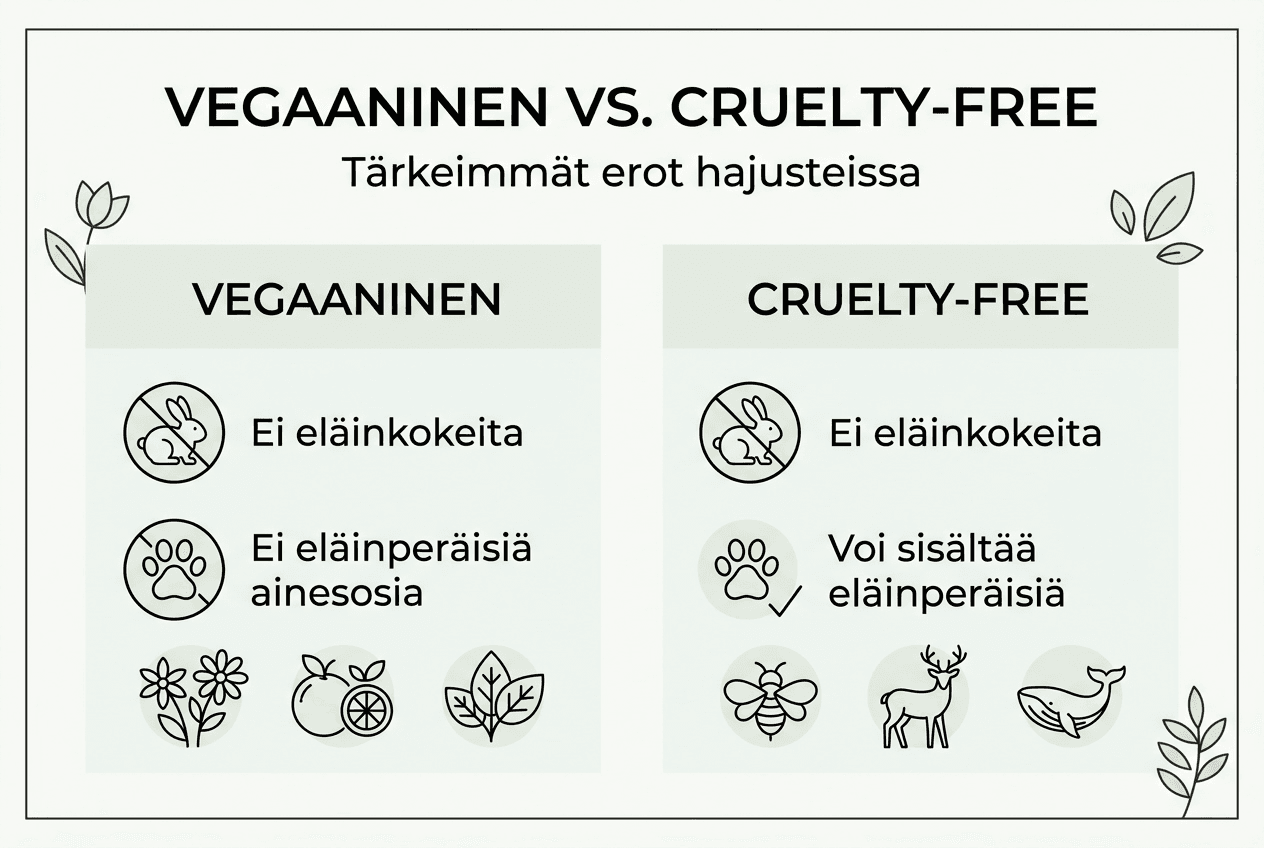
Many consumers mistakenly assume that a cruelty-free product is automatically vegan. In reality, you should carefully read the product's ingredient list or specifically look for a vegan certification. A mere cruelty-free label says nothing about the ingredients contained in the product. If you want to ensure that your chosen perfume is fully ethical, look for both cruelty-free and vegan certifications.
Pro tip: Check out our guide on how to choose a perfume to help you understand fragrance structure and select a scent that suits you. When you combine this knowledge with an understanding of vegan fragrances, you'll easily find both an ethical and pleasant option.
How are vegan perfumes made and what are the most common raw materials?
Vegan fragrances utilize synthetic or plant-based ingredients to mimic traditional scent profiles without animal-derived components. The manufacturing process requires precise scientific work and advanced analytical methods. Perfume chemists use gas chromatography-mass spectrometry (GC-MS) to analyze the molecular structures of animal-derived ingredients and create synthetic counterparts that produce an identical scent. This chromatography analysis allows for the replication of scent profiles without the use of animals.
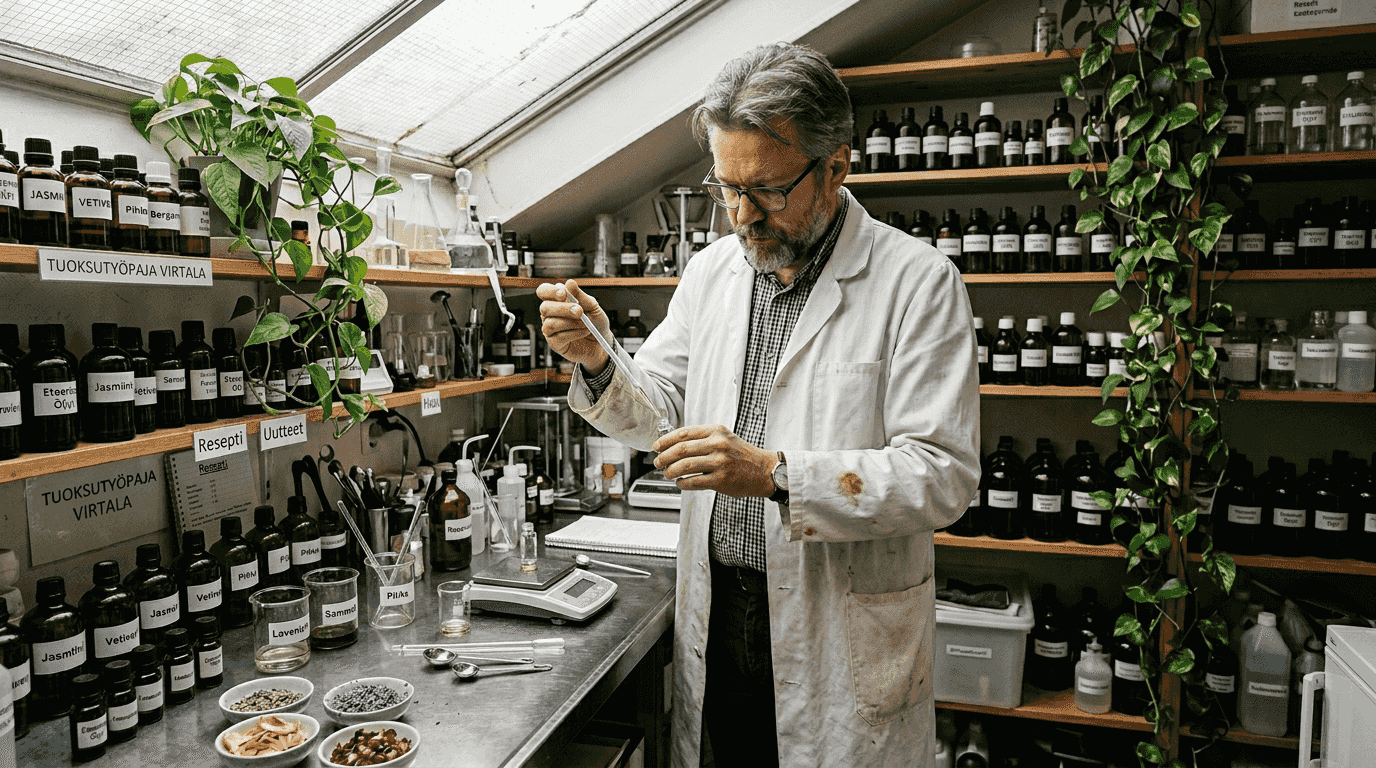
The development of synthetic musks has been a significant breakthrough for vegan perfumes. Galaxolide and Tonalide are examples of synthetic musks that replace traditional animal-derived musk. These synthetic alternatives offer a similar warm, soft, and long-lasting scent without ethical concerns. They are also more cost-effective and readily available than natural musk, making vegan fragrances competitive.
Common plant-based and synthetic alternatives:
- Plant oils such as sandalwood, vetiver, and patchouli bring earthy and woody notes
- Essential oils of citrus fruits and flowers are used as top and heart notes
- Synthetic aldehydes and esters create fruity and floral scents
- Vanillin and coumarin replace animal-derived base notes
- Labdanum resin serves as an alternative to ambergris
The popularity of vegan fragrances is rapidly growing in the market, encouraging manufacturers to develop increasingly diverse and high-quality options. Growing consumer interest in ethical products has created demand, which the fragrance industry is meeting with innovative solutions. Many premium brands have launched vegan product lines to meet this demand, and the trend will continue to strengthen in 2026.
Challenges in manufacturing include ensuring authenticity and avoiding animal testing throughout the entire supply chain. Even if the final product is vegan, raw material suppliers may use animal testing in their own processes. Therefore, transparency and reliable certifications are essential. When you check out the perfume sample usage guide, you'll see how easy it is to try different vegan options before making a final purchase decision.
Pro tip: Don't be afraid of using synthetic ingredients in perfumes. Modern synthetic ingredients are often cleaner, safer, and more environmentally friendly than natural alternatives. They also enable a completely vegan product without compromising on scent quality.
Vegan fragrance certification and supply chain challenges
The differences between vegan and cruelty-free certifications are essential to understand when choosing ethical fragrances. Vegan certification guarantees that the product contains no animal-derived ingredients, while cruelty-free focuses solely on avoiding animal testing. Both certifications are valuable, but a vegan consumer specifically needs a vegan label to ensure the product aligns with their values. Third-party certifications like Leaping Bunny and PETA are the most reliable, as they conduct thorough audits and monitor the supply chain.
Identifying animal testing practices in the supply chain is one of the biggest challenges. A PETA survey revealed that some cruelty-free companies use suppliers who test raw materials on animals. This means that even if the final product is not tested on animals, its ingredients may come from suppliers who use animal testing. This indirect connection makes ensuring true ethicality complex.
Importance of checking certifications:
- Look for Leaping Bunny, PETA, or The Vegan Society certifications on the product
- Check the brand's website for their ethical policy
- Read the product's ingredient list carefully
- Avoid products without clear certification
- Contact the manufacturer in case of doubt
Leading Leaping Bunny and PETA certified brands ensure that no animal testing is done at any stage, neither on raw materials nor on the final product. These certifications require the company to commit fully to no animal testing and transparency throughout the supply chain. When choosing certified products, you can trust that the product truly meets ethical standards.
Comparison of different certifications:
| Certification | Guarantees veganism | Guarantees cruelty-free | Oversight |
|---|---|---|---|
| The Vegan Society | Yes | Yes | Strict |
| Leaping Bunny | No | Yes | Very strict |
| PETA | Yes (separately) | Yes | Strict |
| Manufacturer's own | Varies | Varies | Uncertain |
Consumers should carefully check product certifications before making a purchase decision. Don't rely solely on claims on product packaging; instead, look for official certifications from recognized organizations. Many companies use misleading marketing, so a critical approach is important. When you explore the benefits of perfume samples, you'll see how you can test a product's ethics and quality before buying a larger bottle.
Pro tip: If a product does not have a clear third-party certification, contact the manufacturer and ask about their suppliers' animal testing practices. Reputable companies will respond openly and provide documentation. If the answer is vague or completely missing, it's better to choose another product.
Why choose vegan perfume? Market trends and consumer benefits
The demand for vegan fragrances is growing strongly worldwide. Research by The Vegan Society shows a 20% increase in sales of vegan fragrances over the past year. This trend reflects consumers' growing awareness of ethical choices and their desire to support environmentally friendly products. The market is responding to this demand by expanding the range of vegan fragrances and improving their quality. In 2026, vegan fragrances will no longer be niche products, but mainstream.
Ethical and environmental benefits are key reasons to choose a vegan perfume. The production of animal-derived raw materials is often resource-intensive and causes animal suffering. Vegan alternatives reduce the environmental burden and support animal welfare. In addition, many vegan fragrances use sustainably produced plant oils and synthetic ingredients that are more environmentally friendly than traditional alternatives. By choosing a vegan perfume, you make an ethical choice that supports a sustainable future.
High-quality and diverse options are now widely available. Vegan fragrances cover all scent categories, from fruity and floral notes to earthy and woody scents. Technological advancements have made it possible for vegan fragrances to compete in quality with traditional fragrances. Many premium brands are committed to vegan product lines, which guarantees high quality and diverse options.
Tips for choosing a vegan perfume:
- Start by exploring certified brands that are committed to veganism
- Try perfume samples before buying to ensure the scent suits you
- Read the product's ingredient list and look for a vegan certification
- Compare the scent profiles of different products and find one that suits you
- Consider the longevity and intensity of the perfume when making your choice
Comparison to traditional fragrances:
| Feature | Traditional perfume | Vegan perfume |
|---|---|---|
| Animal-derived ingredients | Yes | No |
| Ethics | Varies | High |
| Environmental impact | Greater | Smaller |
| Scent quality | High | Equally high |
| Price | Varies | Competitive |
Vegan fragrances offer consumers the opportunity to enjoy quality scents without ethical compromises. They are the perfect choice for those who value both quality and ethics. By combining the choice of a vegan perfume with trying out perfume samples, you ensure that you find the perfect scent for you without unnecessary risks.
Explore vegan perfume products
Now that you understand the special characteristics and benefits of vegan fragrances, it's time to explore concrete products. Befrsh.com offers a wide selection of high-quality vegan fragrances that combine ethics and luxury. In our selection, you'll find both popular and niche scents that suit various styles and occasions.
Popular vegan options include Hugo Boss The Scent Elixir Women, which offers an intense and long-lasting scent with plant-based ingredients. For men, Jean Paul Gaultier Le Male Elixir provides a masculine and powerful scent experience as a completely vegan option. Both products represent modern perfumery, where ethics and quality go hand in hand.
You can easily order perfume samples from the Be Frsh online store and try out different vegan scents before making a final purchase decision. This ensures that the perfume you choose perfectly matches your personality and style. Fast delivery and customer-oriented service make the shopping experience effortless and pleasant.
What is vegan perfume? Frequently asked questions
What is the difference between vegan and cruelty-free perfume?
Cruelty-free means that the product or its ingredients have not been tested on animals. Vegan perfume goes further by requiring that the product contains no animal-derived ingredients such as civet, castoreum, or ambergris. A product can be cruelty-free but still contain animal-derived raw materials, so a vegan consumer specifically needs a vegan certification.
Which animal-derived ingredients are absent from vegan perfume?
Vegan perfume excludes all animal-derived ingredients. The most common of these are civet from civet cats, castoreum from beaver glands, ambergris from sperm whale intestines, musk from deer glands, and honey and beeswax. These are replaced by plant-based or synthetic alternatives that mimic the original scents.
How do I identify a genuine vegan perfume?
Look for third-party certifications on the product, such as The Vegan Society, Leaping Bunny, or PETA. Read the product's ingredient list carefully and ensure it does not contain any animal-derived ingredients. If the product does not have a clear certification, contact the manufacturer and ask about their ethical practices. Reputable companies will respond openly and provide documentation.
Can vegan perfume smell as good as traditional perfume?
Yes, it can. Modern synthetic ingredients and plant-based raw materials enable high-quality scents without animal-derived components. Gas chromatography-mass spectrometry helps perfectly mimic the scent profiles of animal-derived ingredients. Many premium brands offer vegan product lines that rival traditional perfumes in quality.
Why are vegan fragrances becoming more common?
Consumers' growing awareness of ethical choices and environmental friendliness drives the demand for vegan fragrances. According to The Vegan Society, sales of vegan fragrances have grown by 20 percent in the last year. People want to support products that do not cause suffering to animals and are more environmentally friendly. Technological development has also made vegan fragrances high-quality and competitive.
Are vegan fragrances more expensive than traditional ones?
Not necessarily. Vegan fragrances are competitively priced with traditional perfumes. Synthetic ingredients are often more cost-effective than rare animal-derived raw materials. Pricing depends more on brand positioning and product quality than on whether it is vegan. Many affordable and mid-range brands offer high-quality vegan options.
Leave a comment